
MOM PERFUMES / THE FRAGRANCE NOTE LIBRARY
Saffron
Three red threads. A bigger scent story.
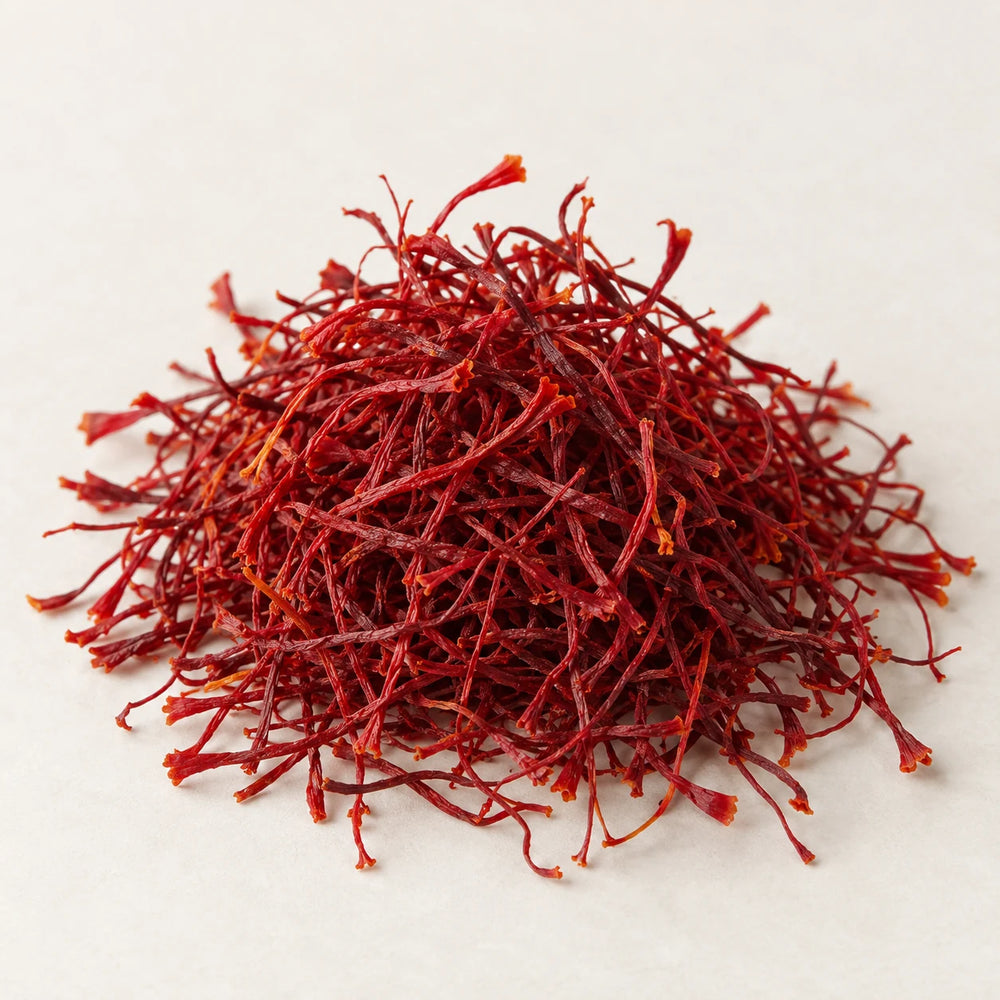
What does saffron smell like in perfume?
Think warm spice, with possible herbal, tobacco-like or leathery facets. Givaudan’s Safranal and Safraleine show different ways to approach that territory. These descriptors explain saffron-like perfumery effects; they do not mean every perfume smells like dried kitchen saffron or contains either named material.
Warm
An olfactory association, not temperature.
Spicy
Aromatic character—not a chilli-heat claim.
Herbal
One possible facet in saffron-like materials.
Leathery
A possible perfumery effect—not leather as an ingredient.
The red parts—not the purple petals.
The spice comes from the stigmas and associated styles of Crocus sativus, a member of the iris family, Iridaceae. The flower has three reddish stigma branches. Those are different structures from its petals and pollen-bearing anthers.


Botanical origin is not the same as harvest location.
Kew treats Crocus sativus as a cultigen from Greece—a plant shaped through cultivation. That does not make every harvest Greek. University of Vermont research, begun in 2015, is one example of saffron cultivation being studied elsewhere. Neither statement reveals the origin of a perfume ingredient.
Plant
Crocus sativus is the botanical identity.
Cultivation
A growing region requires separate evidence.
Perfume note
Saffron on a pyramid does not certify harvest origin.
From a flower to dried spice.
Separating and drying the stigma material produces the familiar spice. The sequence stops there deliberately: it is not a claim that every saffron perfume uses a distilled flower oil.
01
Flower
The plant produces its bloom.
02
Separate
The stigma material is separated from the flower.
03
Dry
Drying prepares the spice.
04
Material choice
Perfumery requires a separately specified material or composition.
Spice, Safranal and Safraleine are not interchangeable.
A natural spice and a manufacturer’s named aroma material are different things. Safranal is described with saffron-like spice and herbal/tobacco facets; Safraleine has a warm spicy, woody and leathery direction. Their names must not become aliases for the same library entry.
Saffron spice
Botanical material from the flower.
Safranal
A named aroma material with a saffron-like profile.
Safraleine™
A different named material with a leathery-spicy direction.
A bridge between spice and texture.
Those material descriptions suggest an interesting way to explore a perfume: notice where spice meets wood or a leathery impression. This is an editorial listening prompt based on the supplier examples—not proof of a finished formula or a rule that saffron must dominate.
Does the plant grow from ordinary seeds?
NC State describes saffron crocus as sterile, with propagation through corms rather than fruit and seed production. This botanical detail belongs to the living plant, not to the manufactured perfumery materials compared above.
Does a leathery description mean real leather is present?
No ingredient conclusion follows from a sensory adjective. The Safraleine example demonstrates a material described with leathery facets; a fragrance may communicate that effect without its note list revealing the formula.
Can I recognise purity or quality from a photo?
No. A thread photograph helps explain the plant part, but it is not a material analysis, certificate of origin or perfume formula. The article does not offer harvesting, ingestion or skin-use advice.
Explore combinations
Editorial scent-exploration ideas, not formula rules. Links appear only when an educational destination is ready.
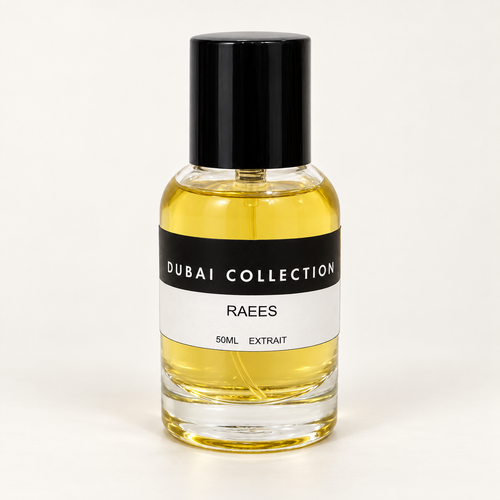
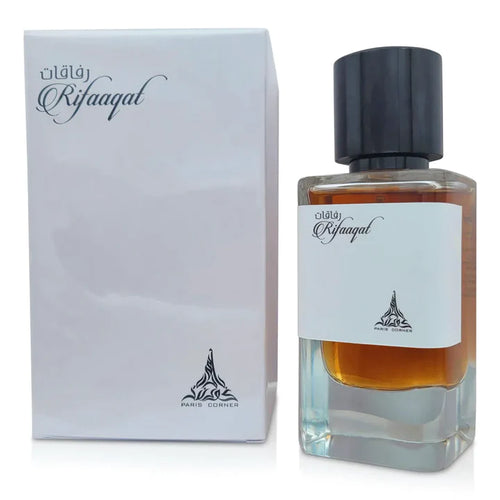
Fragrances with a verified Saffron note
A deliberately small set of verified examples. This is not an exhaustive result or proof of natural ingredient content. Prices and availability come from the current product records.


Research and transparency
Copy follows the owner-reviewed content package prepared on 23 September 2026. Botanical references explain materials; supplier descriptions describe their own products. Pairing suggestions are editorial. No perfume formula or personal smelling test is asserted.
- https://plants.ces.ncsu.edu/plants/crocus-sativus/
- https://powo.science.kew.org/taxon/urn:lsid:ipni.org:names:436688-1
- https://www.givaudan.com/fragrance-beauty/fragrance-ingredients-business/fragrance-molecules/safranal
- https://www.givaudan.com/fragrance-beauty/fragrance-ingredients-business/fragrance-molecules/safraleinetm
- https://www.uvm.edu/~saffron/pages/about.html