
MOM PERFUMES / THE FRAGRANCE NOTE LIBRARY
Sandalwood
Meet the creamy side of woods.
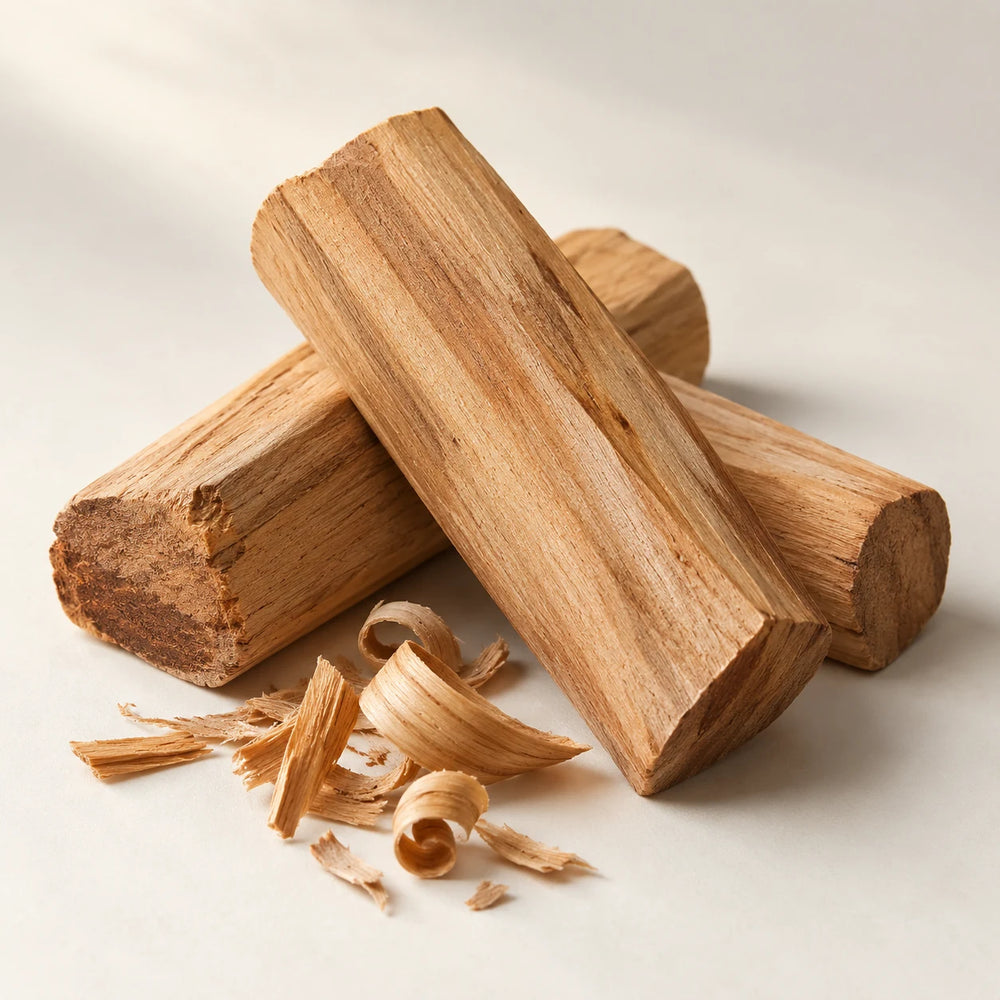
What does sandalwood smell like?
Think of a warm wood with a creamy, rounded character. In a perfume, sandalwood can suggest softness and gentle sweetness; different sandalwood materials may also introduce rosy or musky facets. “Creamy” describes an impression of the smell—not cream as an ingredient. These are helpful scent associations, not a promise that every sandalwood perfume will smell the same.
What is sandalwood?
Natural sandalwood materials come from aromatic trees in the Santalum genus. Indian sandalwood is Santalum album. Its valuable fragrant wood is the heartwood—the inner wood—rather than the pale outer sapwood. On a perfume page, however, “sandalwood” names a scent idea; it does not disclose the complete formula.


One name, different woods
Indian sandalwood — Santalum album
Australian sandalwood — Santalum spicatum
New Caledonian / Vanuatu sandalwood — Santalum austrocaledonicum
Species and growing location are not interchangeable
Species and growing location are different pieces of information. Indian sandalwood, Santalum album, is recorded in India, including Karnataka and Tamil Nadu, and beyond India, including Australia. Australian sandalwood usually refers to the different species Santalum spicatum. Pacific sandalwoods include Santalum austrocaledonicum, used in New Caledonia and Vanuatu. An Australian-grown Santalum album is therefore not the same botanical material as Santalum spicatum.
How does wood become perfume material?
Prepared fragrant heartwood can be steam-distilled to obtain sandalwood essential oil. The visual sequence below is a simplified explanation of that route: fragrant heartwood → wood preparation → distillation and condensation → separated essential oil. It is not a photograph of a particular producer’s equipment and does not describe every sandalwood extraction method.
01
Fragrant heartwood
The aromatic inner wood, not the flower.
02
Wood preparation
Prepare the fragrant wood for the distillation route.
03
Distillation and condensation
Steam carries volatile material; the vapour is condensed.
04
Separated essential oil
Collect the oil as a perfumery material.
Natural oil and modern sandalwood notes
Natural sandalwood oil is obtained from the plant material. Perfumers can also use manufactured sandalwood-smelling materials: Givaudan’s Javanol has creamy and rosy facets, while Ebanol has a woody, sandalwood and musky character. A perfume’s sandalwood impression may use natural oil, aroma materials or a blend. The note name alone does not tell you which. Neither “natural” nor “synthetic” is a quality verdict on the finished perfume.
What does it do inside a fragrance?
A useful way to think about sandalwood is as a woody texture as well as a smell. Creamy sandalwood materials can help a composition feel rounded; other materials offer a more musky or expansive woody character. This is a description of possible creative effects—not a guarantee of performance, a fixed pyramid position, or evidence of a particular ingredient in a particular perfume.
Go deeper: where did Indian sandalwood originate?
Modern references do not use identical origin language. Kew lists Santalum album as native from Java toward northern Australia and treats India as introduced. A 2023 Scientific Data paper describes an Indian genetic centre of origin. Rather than declare a single birthplace settled, this page separates botanical classification, recorded distribution and commercial provenance.
Go deeper: what helps create the smell?
Alpha-santalol and beta-santalol are important constituents associated with Indian sandalwood oil. They are part of a more complex material, not the entire smell by themselves. An educational note page should not turn a typical oil analysis into a guaranteed composition for every tree, extract or perfume.
Is red sandalwood the same thing?
No. Red sanders, commonly called red sandalwood, is Pterocarpus santalinus, in the Fabaceae family. Indian sandalwood is Santalum album, in Santalaceae. Similar common names do not make them the same plant or interchangeable perfumery materials.
What should I look for in sourcing claims?
For a natural material, species, growing location and supply-chain documentation are separate questions. Historical sandalwood research records pressures on wild resources and efforts to establish plantings. A perfume’s note list alone cannot certify that its sandalwood is plantation-grown, traceable or sustainably sourced. Such claims need product- or supplier-specific evidence.
Explore combinations
Editorial scent-exploration ideas, not formula rules. Links appear only when an educational destination is ready.
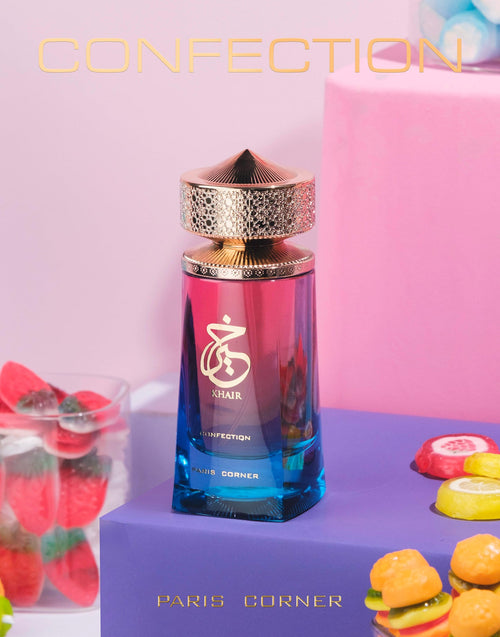
Fragrances with a verified Sandalwood note
A deliberately small set of verified examples. This is not an exhaustive result or proof of natural ingredient content. Prices and availability come from the current product records.


Research and transparency
Copy follows the owner-reviewed content package prepared on 23 September 2026. Botanical references explain materials; supplier descriptions describe their own products. Pairing suggestions are editorial. No perfume formula or personal smelling test is asserted.
- https://powo.science.kew.org/taxon/urn:lsid:ipni.org:names:780592-1
- https://iwst.icfre.gov.in/database/SIS/properties.html
- https://iwst.icfre.gov.in/database/SIS/taxonomy/Distribution.html
- https://florabase.dbca.wa.gov.au/browse/profile/2359
- https://www.florihana.com/en/essential-oils/1776-bois-de-santal-bio.html
- https://era.dpi.qld.gov.au/id/eprint/12590/
- https://www.givaudan.com/fragrance-beauty/fragrance-ingredients-business/fragrance-molecules/javanol
- https://www.givaudan.com/fragrance-beauty/fragrance-ingredients-business/fragrance-molecules/ebanoltm
- https://www.nature.com/articles/s41597-023-02849-x
- https://powo.science.kew.org/taxon/urn:lsid:ipni.org:names:516570-1