
MOM PERFUMES / THE FRAGRANCE NOTE LIBRARY
Vanilla
An orchid. A cured pod. Much more than sweetness.
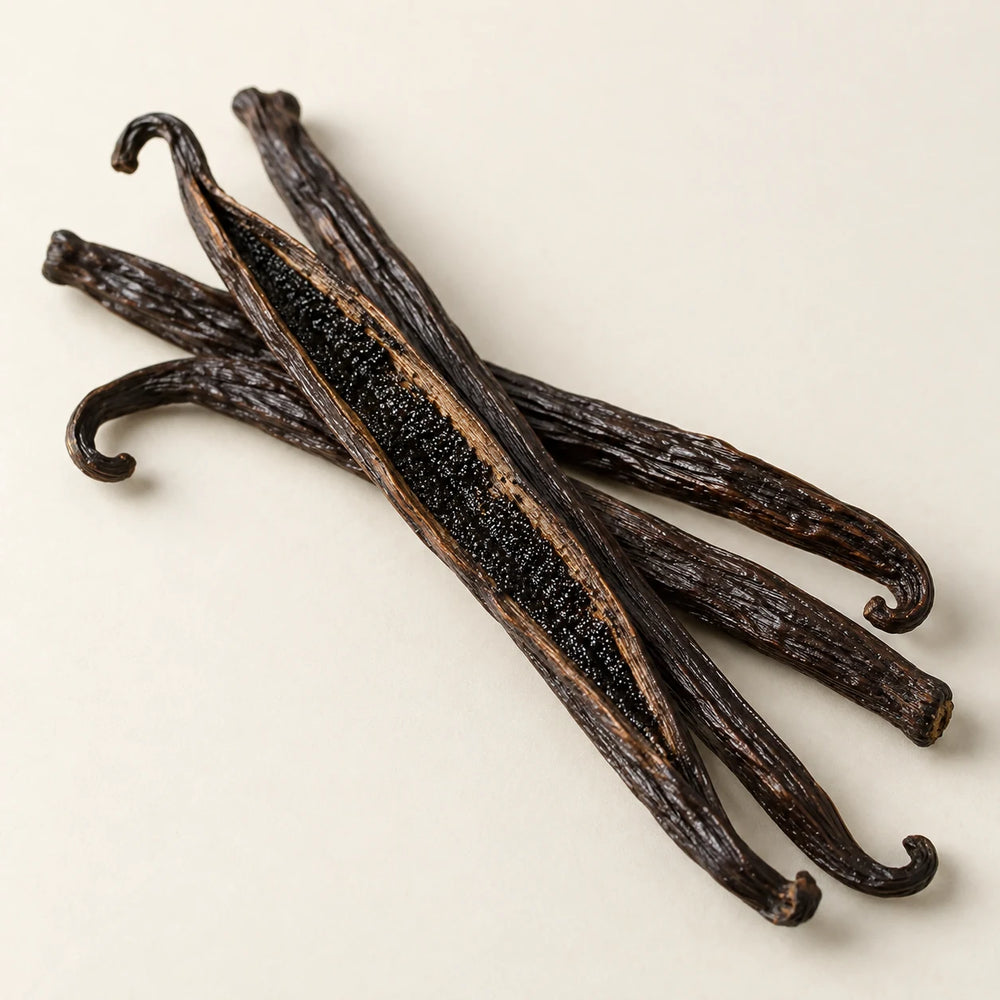
What does vanilla smell like?
Vanilla often suggests familiar sweetness, but perfumery materials can reveal wood, powder, leather or smoky nuances as well. Picture a cured pod rather than assume an ice-cream cone. One vanilla-led perfume may feel soft and milky; another may emphasize a darker, drier side. These are scent associations, not a promise that every material or perfume smells the same.
The flower is the beginning—not the perfume material.
Vanilla planifolia is a climbing orchid. What we call a vanilla bean is its seed capsule or fruit. Natural vanilla extracts are commonly made from cured pods; photographing a beautiful flower should not imply that vanilla perfume material is a flower extract.


Species, place and extract: three different questions.
Kew records the native range of Vanilla planifolia from southern Mexico to northern Brazil. Cultivation and material sourcing extend far beyond that range. A region on a label tells you something different from a botanical name or an extraction method.
Species, growing region and material
Species: V. planifolia is the principal commercial species. V. × tahitensis and V. pompona are also used.
Growing region: Madagascar, Uganda, Indonesia, India and Papua New Guinea are examples in a producer’s sourcing account—not a quality ranking.
Material: An absolute, an infusion and an aroma molecule are not interchangeable descriptions.
From orchid to perfumer’s palette.
This is a simplified route to a pod-derived material, not a recipe or a claim that every vanilla ingredient follows one factory process.
01
Flower and pollination
Pollination allows fruit development; cultivation commonly uses hand pollination.
02
Pods develop
The orchid produces elongated seed capsules.
03
Harvest and curing
Post-harvest processing develops the familiar aromatic character.
04
Extract and refine
An absolute is one option: solvent extraction followed by purification.
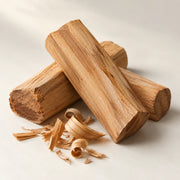
Vanilla is not the same thing as vanillin.
Vanillin is a particular aroma molecule important to vanilla’s recognizable character. A natural vanilla extract is a more complex mixture. Vanillin can also be manufactured from different feedstocks: Borregaard, for example, produces it from wood-derived material. The word Vanilla on a perfume page does not disclose which extract, molecule or combination creates the impression.
What can it do in a perfume?
Vanilla materials can deepen a gourmand direction or bring contrast to florals, woods and aromatic notes. A creator account for Burberry Goddess describes several vanilla extracts offering different facets. That illustrates the range of the palette; it does not mean another perfume uses the same materials or formula.
Does vanilla always mean sweet?
No single note tells you the balance of the finished perfume. The maker’s description of one vanilla absolute includes woody and phenolic facets; the proportions and surrounding materials shape the result. “Phenolic” here is a material descriptor, not a health warning or a promise that every vanilla smells smoky.
Should Bourbon vanilla replace the generic Vanilla record?
No. Keep an explicitly named regional or commercial note distinct in MOM’s data. It may have a relationship to the broader Vanilla page, but that relationship must not erase the wording actually verified for a fragrance. This is an editorial/data rule, not a new botanical claim.
Can this page certify a perfume’s ingredient origin?
No. The note list alone does not establish that a perfume contains natural vanilla, was made with Madagascan pods, or uses a particular extraction technology. Those claims require product-specific evidence. Avoid using a stock photograph as proof of provenance.
Explore combinations
Editorial scent-exploration ideas, not formula rules. Links appear only when an educational destination is ready.
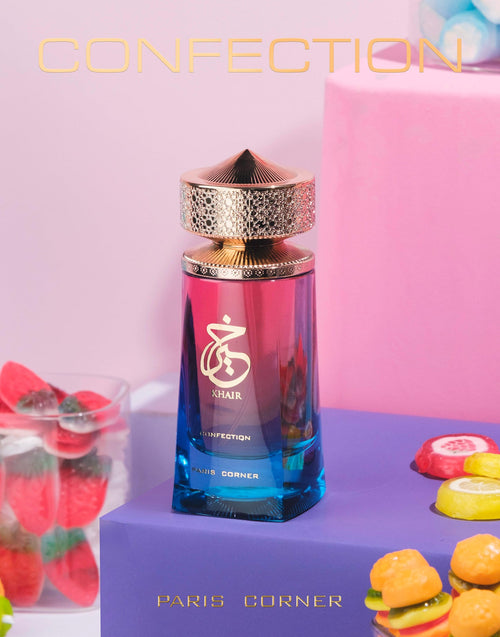
Fragrances with a verified Vanilla note
A deliberately small set of verified examples. This is not an exhaustive result or proof of natural ingredient content. Prices and availability come from the current product records.
.jpg)

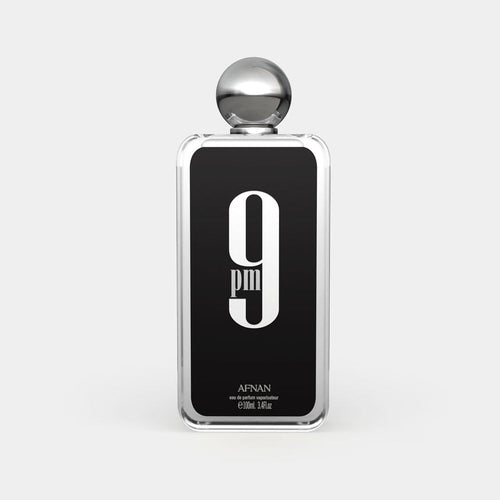
Afnan 9PM 100ml Eau De Parfum
From ₹560.00
10ml decant available — choose the format on the product page.
View fragrance →Research and transparency
Copy follows the owner-reviewed content package prepared on 23 September 2026. Botanical references explain materials; supplier descriptions describe their own products. Pairing suggestions are editorial. No perfume formula or personal smelling test is asserted.
- https://powo.science.kew.org/taxon/262578-2
- https://ask.ifas.ufl.edu/publication/HS1348
- https://studio.dsm-firmenich.com/product/vanilla-planifolia-mada-abs-pe-990045
- https://www.borregaard.com/product-areas/biovanillin/your-guide-to-plant-based-vanillin
- https://www.borregaard.com/product-areas/biovanillin
- https://annualreport.dsm-firmenich.com/2024/our-stories/creating-an-award-winning-fragrance-with-universal-appeal.html