
MOM PERFUMES / THE FRAGRANCE NOTE LIBRARY
Patchouli
It smells like earth and woods. It comes from leaves.
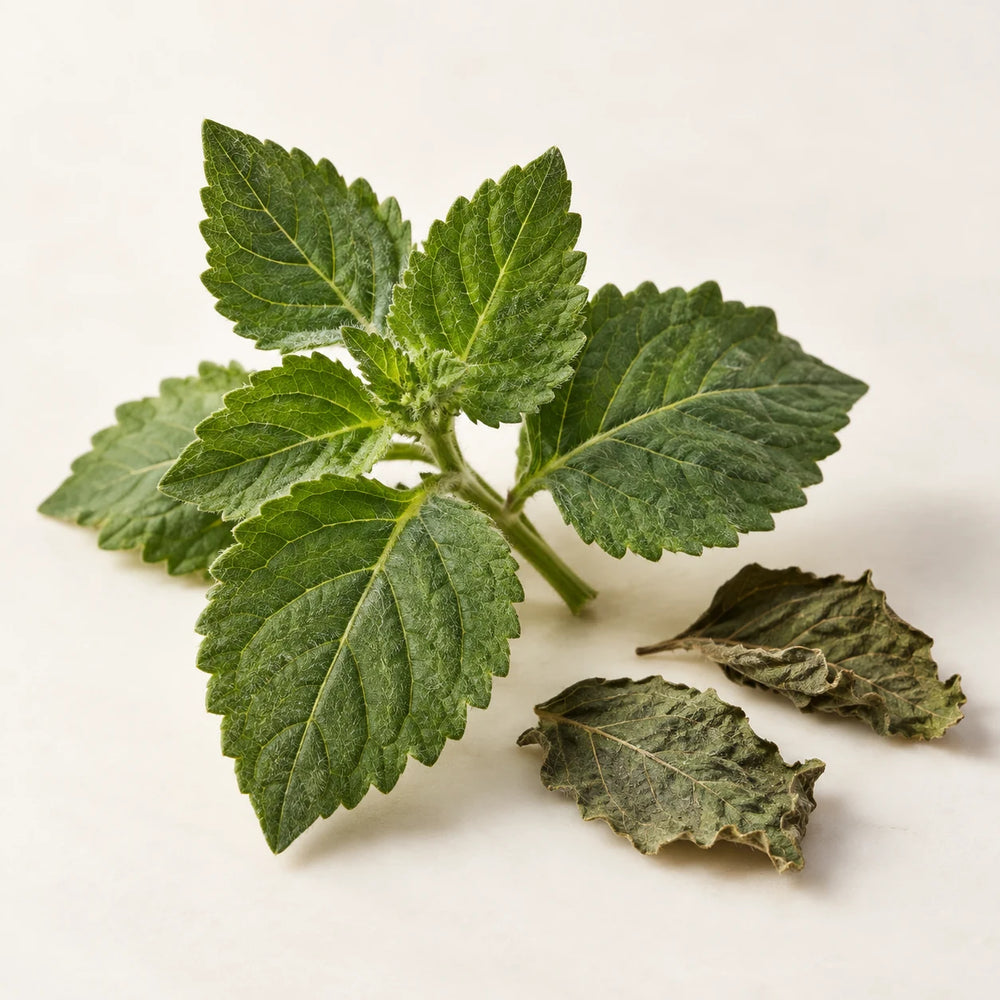
What does patchouli smell like?
Imagine an earthy, woody depth with a herbal edge and rounded balsamic warmth. Some materials suggest sweetness or spice as well. “Earthy” is a smell comparison: it does not mean soil is the source. The material example used here is a steam-distilled leaf oil, not a personal smelling test of every patchouli fragrance.
Earthy
A grounded, soil-like association—not soil in the formula.
Woody
A dry, deep impression despite the leafy source.
Herbal
A reminder of its aromatic plant character.
Balsamic
Rounded depth that can feel gently sweet.
The surprise is the leaf.
Patchouli is Pogostemon cablin, a member of Lamiaceae. Kew describes it as a perennial or subshrub. Perfumery oil is obtained from its leaves; the woody impression does not make it a wood extract. The photographs connect the name on a note pyramid with a real, leafy plant.


Native range and supply chain are different maps.
Kew records a native range including Sri Lanka, western and central Malesia, and Papua New Guinea. Biolandes describes Indonesian cultivation and small-scale distillation in Sumatra, Java and Sulawesi. These statements concern different things: botanical distribution and a producer’s supply context.
Plant identity
Pogostemon cablin is the botanical name. It should not be replaced with a generic photograph of mint.
Cultivation and supply
Indonesia is important in the supplier account. A bottle’s note list does not certify a farm or island.
Material processing
A distilled oil and a further-refined fraction are different material specifications.
From aromatic foliage to essential oil.
Drying and distillation transform harvested leaves into a usable fragrance material. Some oils are then refined further. The sequence shows the main idea, without pretending every distiller uses identical equipment or conditions.
01
Harvest
Collect the aromatic leafy material.
02
Dry
Prepare and dry the leaves before distillation.
03
Steam-distil
Recover an aromatic oil from the leaf material.
04
Select or refine
Use the oil or choose a further-processed grade.
Three routes through the perfumer’s palette.
A perfumer is not limited to one patchouli presentation. Alongside leaf oils and fractionated oils, the palette includes materials such as Clearwood®, produced through biotechnology and described by its maker with a softer, cleaner patchouli direction. These options are not interchangeable botanical names.
Leaf essential oil
A complex material distilled from the plant’s leaves.
Fractionated oil
Further distillation can adjust the balance of the original oil; Biolandes documents this for Patchouli DM.
Biotechnology example
dsm-firmenich describes Clearwood® as made through sugar fermentation, bioconversion and distillation—not simply leaf distillation.
Depth without one compulsory style.
Patchouli materials can bring weight and roundness; the manufacturer descriptions also show that refinement can offer a cleaner direction. In a finished perfume, the amount and surrounding composition matter. A single note name does not establish a perfume’s strength, sweetness or longevity.
Why is a leaf discussed alongside woody notes?
The plant part and the scent family answer different questions. A leaf-derived oil can smell woody. That is why MOM should explain both the physical source and the olfactory impression rather than classify every woody smell as literal wood.
Will every patchouli perfume smell equally earthy?
No fixed intensity follows from a note label. The leaf-oil example has pronounced earthy facets, while the named biotechnology material is described with a softer patchouli character. This comparison demonstrates options; it does not reveal which option a particular perfume uses.
Does Indonesian patchouli mean a different species?
It adds an origin description, not necessarily a different botanical identity. In this page’s supplier example, Indonesian material is Pogostemon cablin. For the MOM library, an explicitly verified regional label should remain intact rather than be erased by the broader Patchouli entry.
Explore combinations
Editorial scent-exploration ideas, not formula rules. Links appear only when an educational destination is ready.
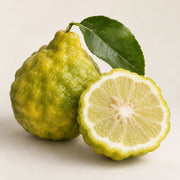
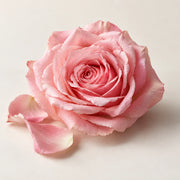
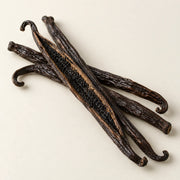
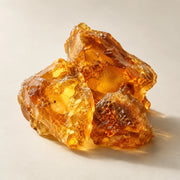
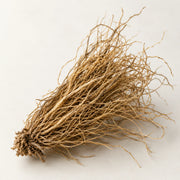
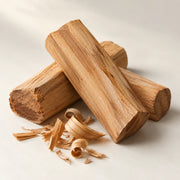
Related notes and materials
Related entries are not necessarily synonyms. Keep specific materials and the generic perfume note distinct.
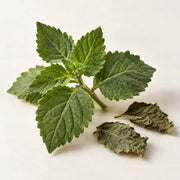
Indonesian patchouli
Fragrances with a verified Patchouli note
A deliberately small set of verified examples. This is not an exhaustive result or proof of natural ingredient content. Prices and availability come from the current product records.

Afnan 9PM 100ml Eau De Parfum
From ₹560.00
10ml decant available — choose the format on the product page.
View fragrance →


Research and transparency
Copy follows the owner-reviewed content package prepared on 23 September 2026. Botanical references explain materials; supplier descriptions describe their own products. Pairing suggestions are editorial. No perfume formula or personal smelling test is asserted.