
MOM PERFUMES / THE FRAGRANCE NOTE LIBRARY
Vetiver
Woody to the nose. Rooted in grass.
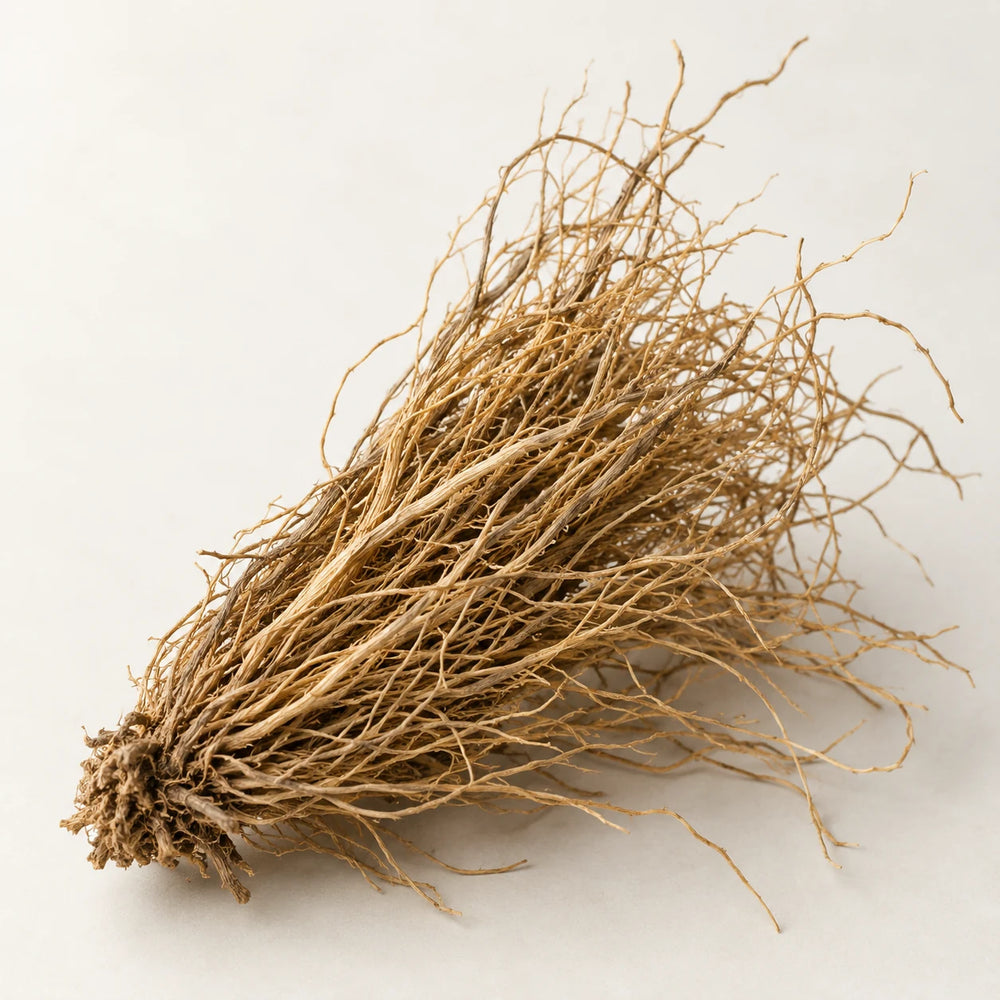
What does vetiver smell like?
Think dry woods meeting an earthy, root-like character. Smoky, bitter-citrus or nutty facets can appear in different vetiver materials. Givaudan’s Haitian oil examples show that range; the balance should not be treated as identical in every origin, processing grade or perfume.
Woody
A scent impression—not proof of a wood source.
Earthy
Grounded depth; no claim of soil in the formula.
Dry
A useful smell association, not a moisture reading.
Smoky
A possible facet—not necessarily burnt material.
The perfume material comes from the roots.
Vetiver is a perennial grass in Poaceae. Kew accepts the name Chrysopogon zizanioides; older material records may use Vetiveria zizanioides. The natural oils discussed here are root-derived. A woody smell does not turn the plant into a tree.


A native range and an oil origin answer different questions.
Kew records a native range from northeastern India to Indochina. Haiti and Java are commercial-origin examples in Givaudan’s account. Its comparison describes a brighter bitter-citrus facet in Haitian oil and more smoke in Javanese oil; treat that as a producer comparison, not a permanent ranking or guarantee.
Identity
Chrysopogon zizanioides identifies the grass.
Oil origin
Haiti or Java adds provenance that must be verified separately.
Processing
A refined grade describes what was done to the oil.
Follow the roots to the oil.
The documented route includes washing and drying the roots before steam distillation. Oil is recovered from the condensed distillate. Some grades receive further processing. This is a simplified explanation, not an equipment specification.
01
Roots
Harvest the aromatic underground material.
02
Prepare
Wash and dry the roots.
03
Distil
Steam distillation recovers volatile material.
04
Separate / refine
Separate the oil; some grades are further rectified.
One grass does not mean one oil presentation.
Givaudan’s Vetiver Oil Haiti SIGNature is a distillation-and-rectification example, described with mineral, grapefruit and nutty facets. It remains a named natural-oil grade, not a new plant species. A generic Vetiver note does not identify that grade.
Natural root oil
A complex material whose own record can specify origin and processing.
Vetiver impression
The scent identity described on a perfume page. It does not disclose the full formula.
Listen for contrast and structure.
As an editorial way to explore, notice whether the vetiver direction makes a fragrance feel drier beside sweeter or more rounded notes. There is no need to assign a gender, occasion or fixed longevity from that impression. The exact fragrance is what the customer ultimately wears.
Is Vetiveria zizanioides another kind of vetiver?
It is an older botanical name encountered in ingredient records. Kew’s accepted name is Chrysopogon zizanioides. A naming difference should trigger reconciliation—not automatic creation of another fragrance-note entity.
Does smoky mean the roots were burned?
Not from this evidence. The natural oils discussed here are distilled root materials; smoky is part of an odour description. Do not convert the adjective into an unsupported production claim.
What does a further-refined oil change?
It offers another material profile in the perfumer’s palette. The SIGNature example is described with a particular balance of woody and brighter facets; this page does not suggest every refined grade is the same or inherently superior.
Explore combinations
Editorial scent-exploration ideas, not formula rules. Links appear only when an educational destination is ready.

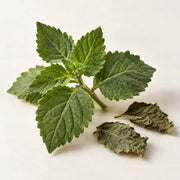
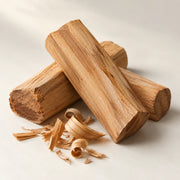

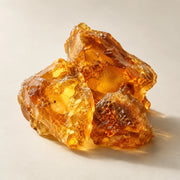
Related notes and materials
Related entries are not necessarily synonyms. Keep specific materials and the generic perfume note distinct.
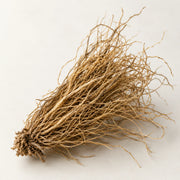
Haitian vetiver
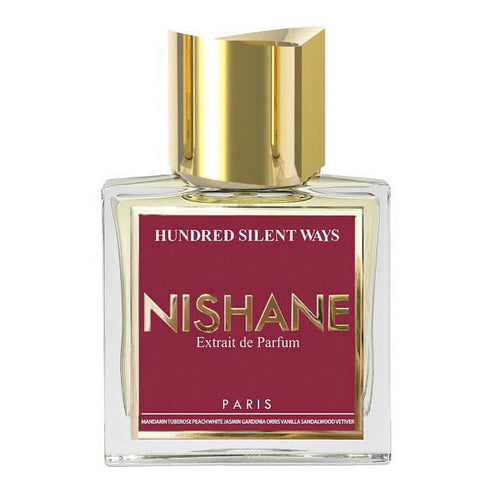
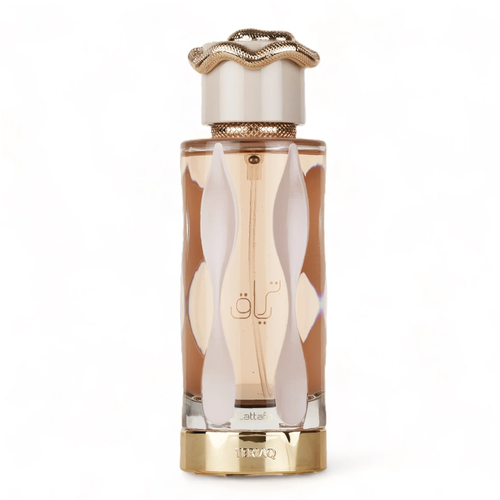
Fragrances with a verified Vetiver note
A deliberately small set of verified examples. This is not an exhaustive result or proof of natural ingredient content. Prices and availability come from the current product records.


Research and transparency
Copy follows the owner-reviewed content package prepared on 23 September 2026. Botanical references explain materials; supplier descriptions describe their own products. Pairing suggestions are editorial. No perfume formula or personal smelling test is asserted.