
MOM PERFUMES / THE FRAGRANCE NOTE LIBRARY
Musk
One word. A whole family of scent impressions.
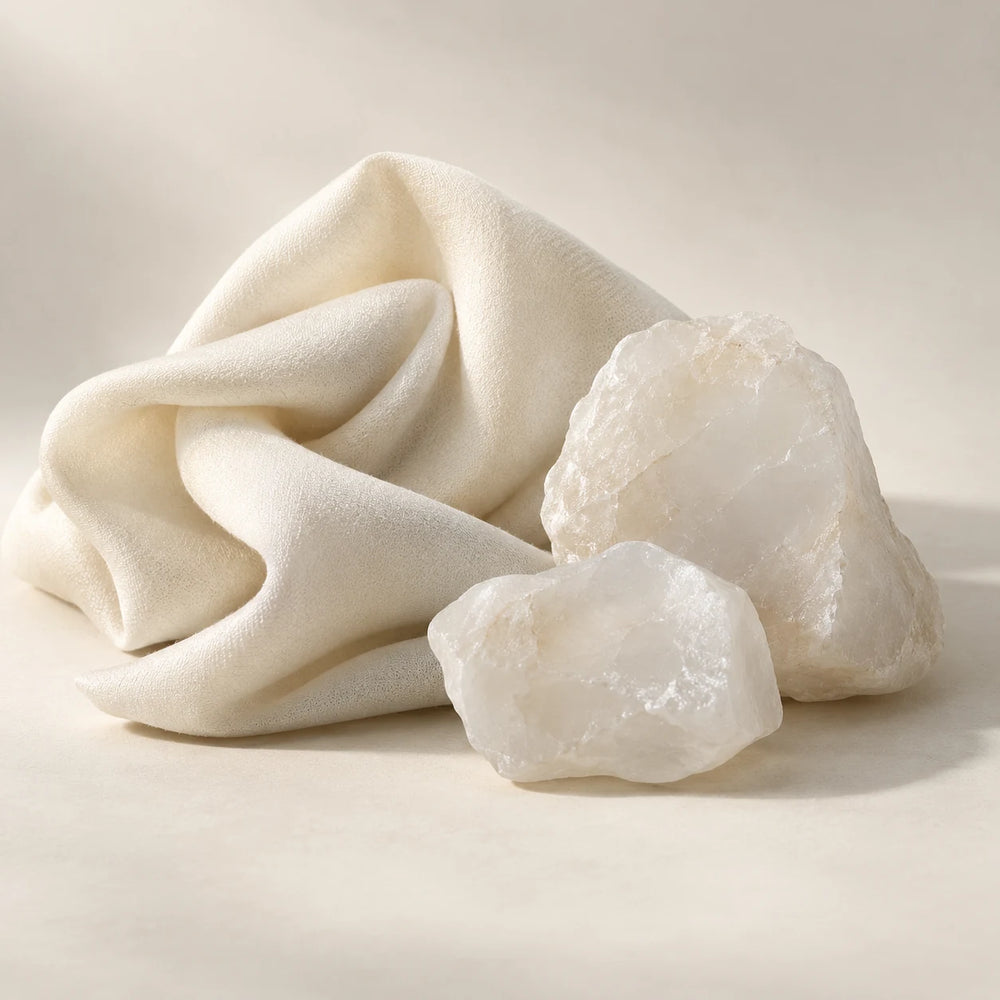
What does musk smell like?
Musk is not one fixed smell. As material examples, Habanolide is described with powdery, earthy and softly woody facets, while Ambrettolide has warm, fruity and ambrette-seed aspects. Think of “musky” as a broad scent family rather than expect every musk perfume to smell like laundry, powder or an animal.
Musky
The shared scent-family description.
Warm
A facet present in the material examples here.
Powdery
One possible texture—not a rule for all musks.
Fruity facets
A less obvious direction illustrated by Ambrettolide.
There is no single musk plant.
The word has a historical connection to animal musk. Modern perfumery also uses manufactured aroma materials with musky smells, and some botanical materials have musky aspects. Research has examined how very different chemical structures can still share a recognizable musky quality. Those are related ideas, not interchangeable ingredient names.
Historical material
Animal musk is part of the history behind the term.
Modern aroma materials
Perfumers select from distinct musky compounds.
Botanical comparison
Ambrette seed material can smell musky without making Musk a botanical species.
A real natural comparison: ambrette seeds.
Ambrette, Abelmoschus moschatus, is valued for its scented seeds. An agricultural account hosted by Purdue describes their use for a musky perfumery material. The photograph shows the seed capsules and seeds—not a universal source for musk fragrances.

Ambrette seeds, the named molecule Ambrettolide and a perfume note called Musk must remain distinct. One label does not prove the presence of the others.
Two named materials, two different descriptions.
These are examples from the materials’ manufacturers, not a reconstruction of a MOM fragrance formula.
Habanolide®
A manufactured macrocyclic musk described with powdery, earthy, warm and slightly woody character.
Ambrettolide
A macrocyclic musk described with warm, fruity and ambrette-seed character.
How does a musk impression reach a perfume?
There is no one botanical extraction diagram for this note. This sequence describes the perfumer’s decision process, rather than a chemical synthesis recipe.
01
Choose the effect
Start with the musky direction the composition needs.
02
Choose materials
Select specific aroma materials or supported natural materials.
03
Blend in context
The surrounding composition changes what stands out.
04
Describe the result
A note label communicates an impression, not every molecule used.
More than a final drydown.
Musk materials can contribute character and persistence within a composition. Givaudan notes that Ambrettolide can influence several evaporation levels, not only the ending. That is why MOM should not automatically force every Musk reference into a base-note position or promise an exact number of hours from the note alone.
Why might people notice musk differently?
A 2022 study identified an odorant receptor, OR5A2, responsive to compounds from four musk structure classes, and linked receptor variation to differences in perception of a tested musk. This helps explain why smelling is not identical for everyone. It is not a test of someone’s nose and does not prove that an unnoticed fragrance has disappeared.
Does Musk prove a perfume is animal-derived—or animal-free?
No. The broad note name does not establish the formula or sourcing. A claim that a finished perfume is animal-free or contains a specific natural material needs separate evidence. The examples here show alternative materials; they do not certify every musk fragrance.
What about White musk?
In MOM’s library, keep the existing White musk entity separate from Musk. Link it as a related concept only where the editorial relationship is approved. Do not substitute White musk for every Musk reference or infer a named chemical from either label.
Explore combinations
Editorial scent-exploration ideas, not formula rules. Links appear only when an educational destination is ready.
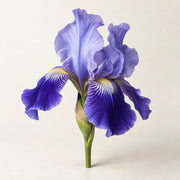
Iris
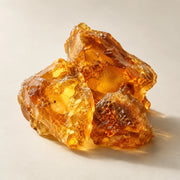
Related notes and materials
Related entries are not necessarily synonyms. Keep specific materials and the generic perfume note distinct.
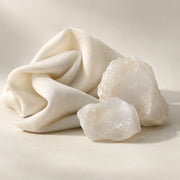
White musk
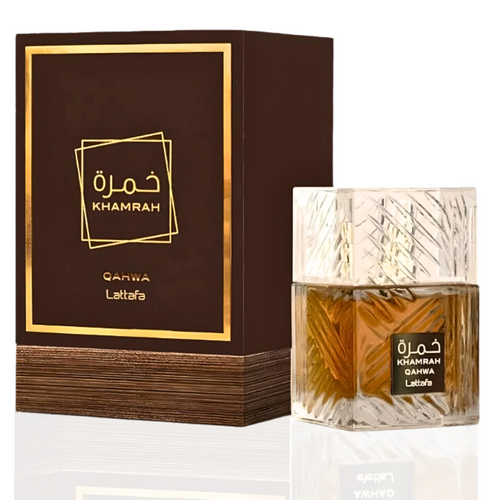
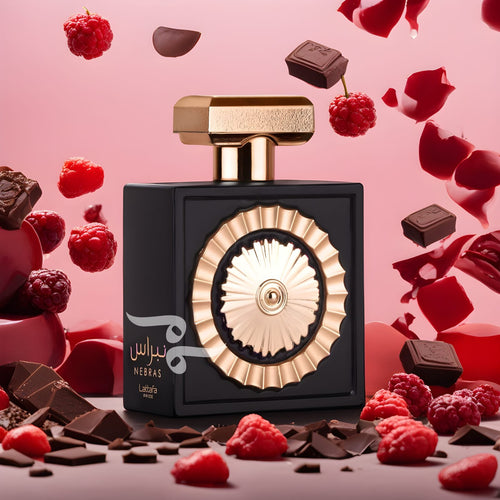
Fragrances with a verified Musk note
A deliberately small set of verified examples. This is not an exhaustive result or proof of natural ingredient content. Prices and availability come from the current product records.

Research and transparency
Copy follows the owner-reviewed content package prepared on 23 September 2026. Botanical references explain materials; supplier descriptions describe their own products. Pairing suggestions are editorial. No perfume formula or personal smelling test is asserted.