
MOM PERFUMES / FRAGRANCE NOTE LIBRARY
Mandarin
Rounded citrus sweetness with a lively peel-like sparkle.
Citrus
- Juicy
- Zesty
- Sweet
- Floral
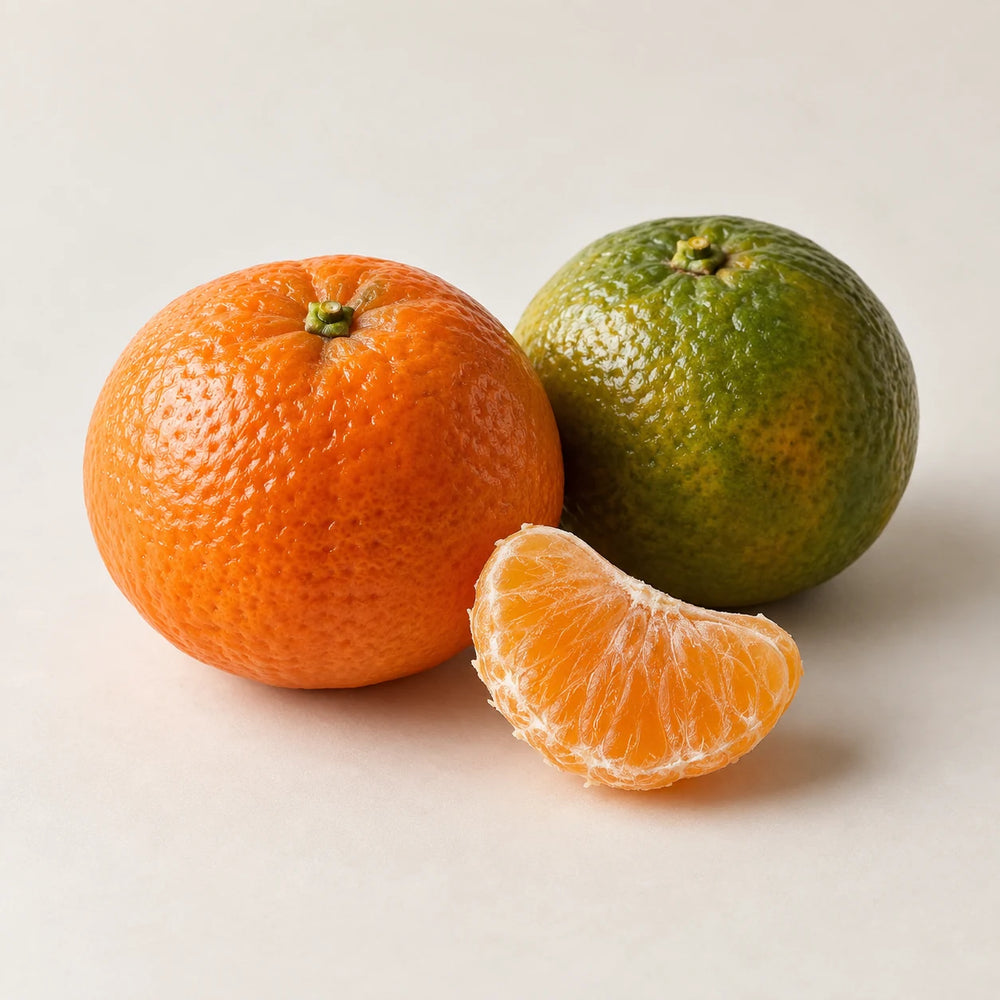
What does mandarin smell like?
Mandarin suggests the spray released when you peel a small citrus fruit: zesty, fruity and rounded, sometimes with a delicate floral impression. It can feel gentler than a sharply lemon-like effect while still being bright. Sweet-smelling citrus does not imply that sugar has been added.
A peel material and a fruit impression
Mandarin oil is associated with Citrus reticulata. Its aromatic source is the peel, not the watery juice. A mandarin note in perfume can refer more broadly to a composed impression, so the familiar fruit image does not prove the use of a particular natural oil.
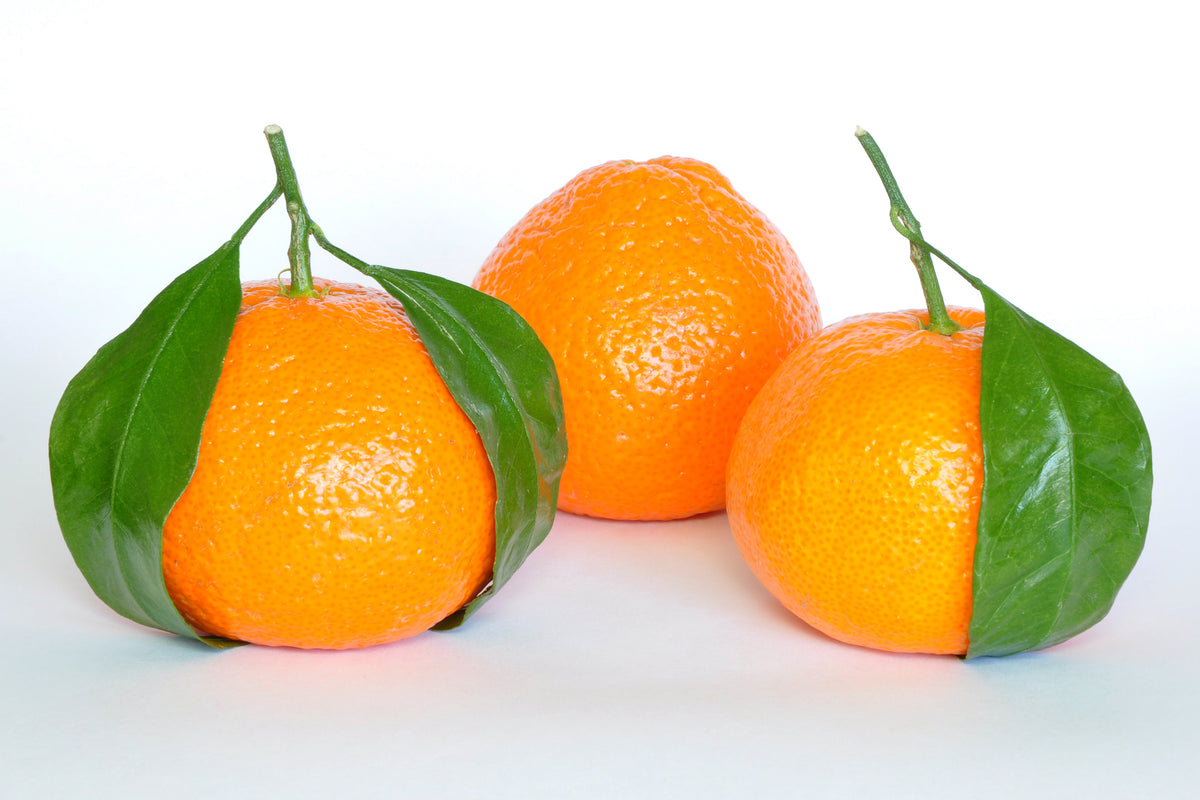
An Italian example with named growing areas
The reviewed green mandarin comes from Sicily and Calabria. The producer identifies a traceable supply chain for that material. This is a useful example of provenance, but a fragrance marketed with mandarin need not use this supplier or these regions.
Ripeness matters before expression
For green mandarin oil, fruit is picked before full ripeness and the peel is cold expressed. Mechanical expression releases the aromatic oil. The harvest stage therefore changes the raw material before a perfumer starts composing; extraction alone does not explain every difference between mandarin oils.
Green and ripe are meaningful distinctions
Green mandarin is not simply a marketing colour. It describes an earlier harvest stage. The producer reports a different, more impactful profile from red mandarin, while also describing its green oil as sweet, fruity and floral.
Earlier-picked green fruit
Look for a lively zesty profile. “Green” should not automatically be translated into bitter or unsweet.
Riper mandarin direction
Compare the rounded fruit impression with the greener example. Treat a perfume’s ripe-fruit character as a style unless the actual oil grade is disclosed.
The oil is only one route to the effect
A perfumer can support a natural citrus oil or build a mandarin-like accord with other aroma materials. The result can be fresher, sweeter or more persistent than your memory of peeled fruit. A note pyramid describes this effect without revealing the balance of ingredients.
Use it as a comparison within citrus
Compare mandarin with grapefruit and lemon in the existing discovery pages. Describe rounded sweetness, bitter peel and sharp zest separately. Then ask whether floral notes echo mandarin’s softer aspect or whether woods make the citrus feel drier. This gives you a more precise preference than simply liking “fresh perfumes”.
Go deeper
Is green mandarin a different plant species?
The reviewed material is Citrus reticulata picked before full ripeness. Harvest stage is the distinction being made here, not a claim of a separate species.
Does mandarin mean the perfume contains fruit juice?
No. The natural perfumery oil comes from peel, and the note may also be reconstructed.
Why might two mandarin fragrances feel different in sweetness?
Harvest grade is one possible raw-material difference; the wider composition is another. Smell the citrus outline and the surrounding sweetness separately rather than assigning the difference to one undisclosed ingredient.
Explore combinations
Ideas for exploring scent; related notes are not necessarily synonyms.
-

Orange blossom
Explore Orange blossom → -

Ginger
Explore Ginger → -

White musk
Explore White musk →


Related notes
Ideas for exploring scent; related notes are not necessarily synonyms.
-

Orange
Explore Orange → -

Grapefruit
Explore Grapefruit → -

Lemon
Explore Lemon →


Perfumes containing this note
Selected from MOM's structured fragrance profiles for this exact note. A listed note describes the fragrance and does not disclose its formula.
-

Ahuja Mangue Mood Parfum
₹3,500.00
Available View fragrance


Research and transparency
Sources explain the materials and scent effects discussed above. Supplier descriptions refer to their own materials; pairing exercises are MOM editorial suggestions. Product discovery retains the existing verified note relationships.