
MOM PERFUMES / FRAGRANCE NOTE LIBRARY
Ginger
Fresh zest and peppery warmth over a woody spice.
Spicy
- Zesty
- Warm
- Spicy
- Woody
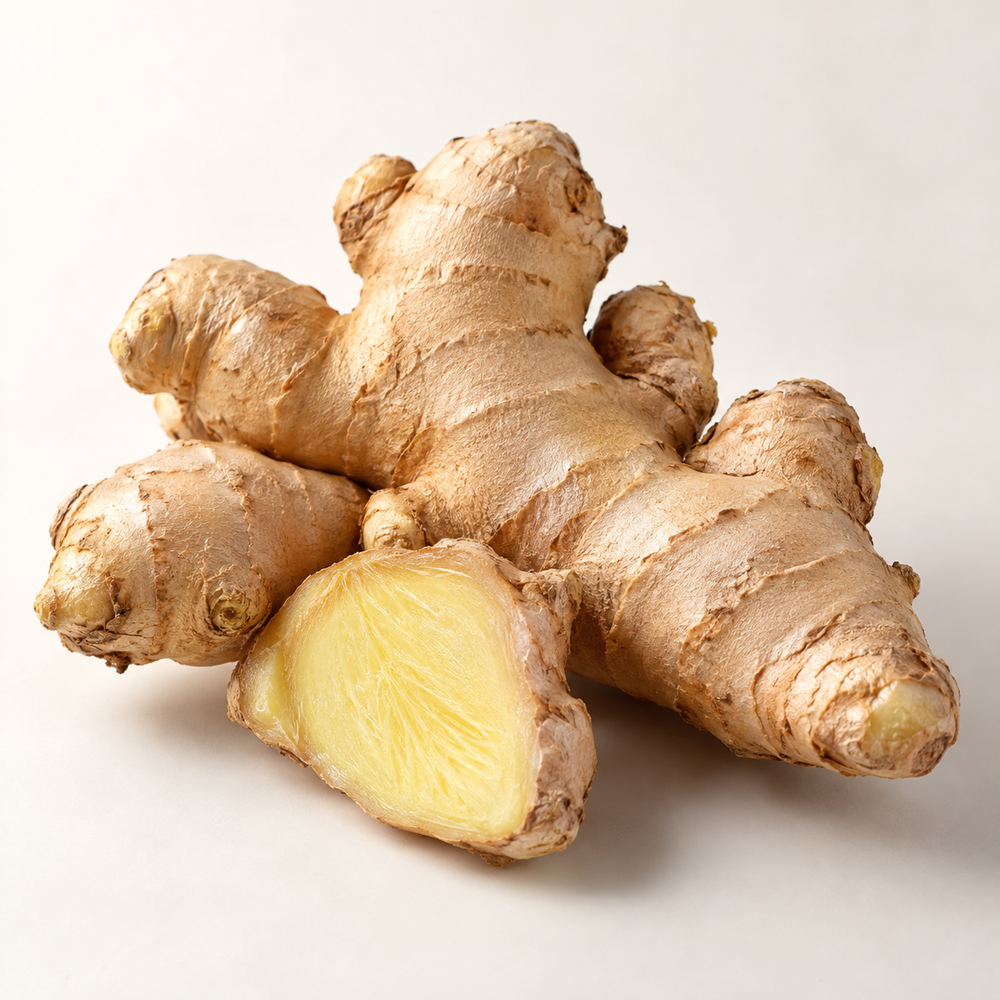
What does ginger smell like?
Ginger can suggest the bright, peppery smell of freshly cut ginger, or a warmer, drier woody spice. Those impressions overlap without being identical. In a perfume, separate the sparkling part from the rounded spicy body; ginger can contribute both freshness and warmth.
A rhizome rather than a true root
The aromatic material comes from Zingiber officinale. The familiar knobbly piece is a rhizome, an underground stem, although it is often called ginger root. A perfume’s ginger note can draw on its natural oil or reconstruct a selected aspect of the smell.
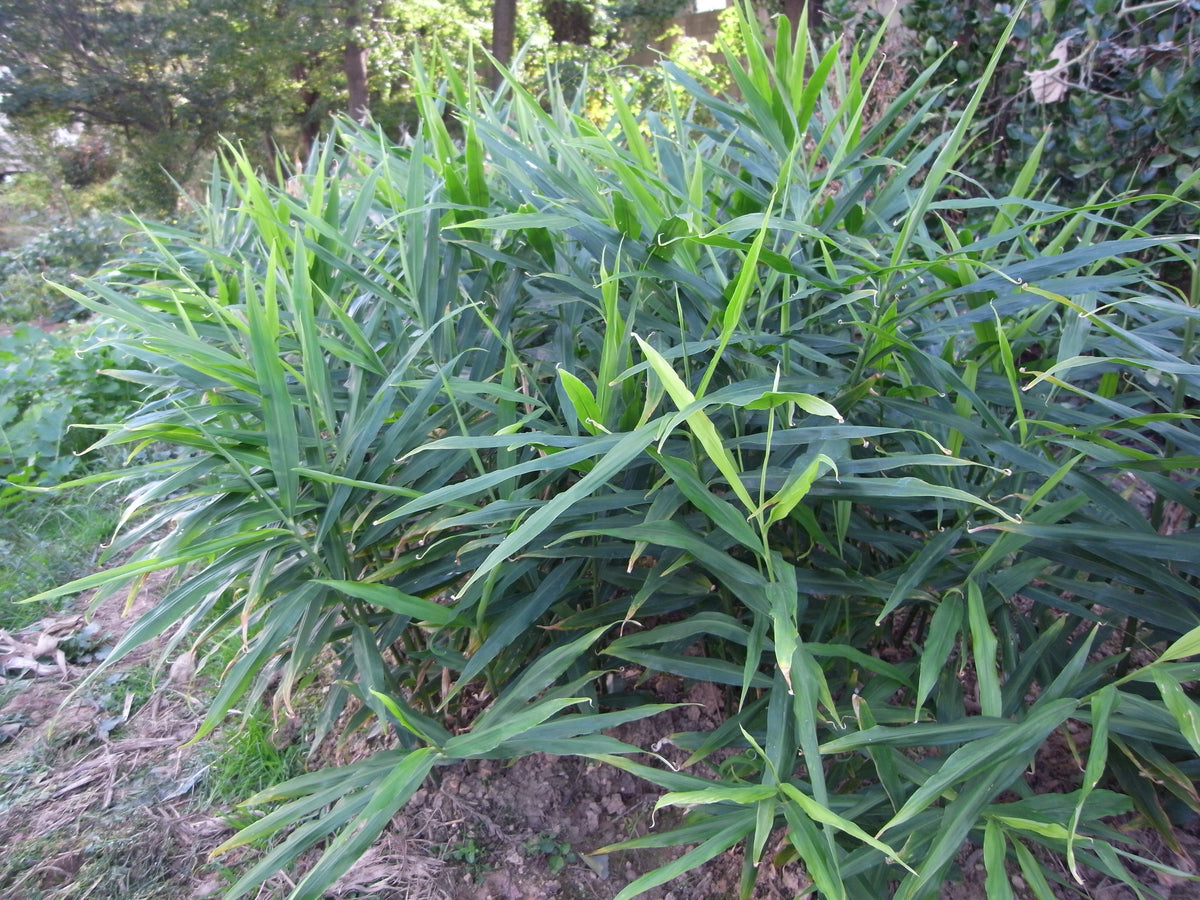
Cultivation and a documented oil source
The reviewed oil is sourced in China, and the supplier also identifies India as an important distillation location. Ginger grows in many tropical and subtropical regions. A named oil’s origin should not be transferred to a fragrance whose ingredient supply chain has not been disclosed.
Dried rhizome to aromatic oil
For this documented material, dried, ground rhizomes are steam distilled. The volatile oil collected through distillation has a fresh, woody-spicy character. It is therefore worth distinguishing the perfume material from the taste and texture of freshly grated ginger.
Starting material
Prepared rhizome supplies the aroma. This is not a flower or fruit-peel extraction.
Distillation
Steam carries volatile constituents; cooling and separation recover the fragrant oil.
Composition
The perfumer can emphasise sparkle or warmth around the ginger effect rather than reproduce a kitchen ingredient literally.
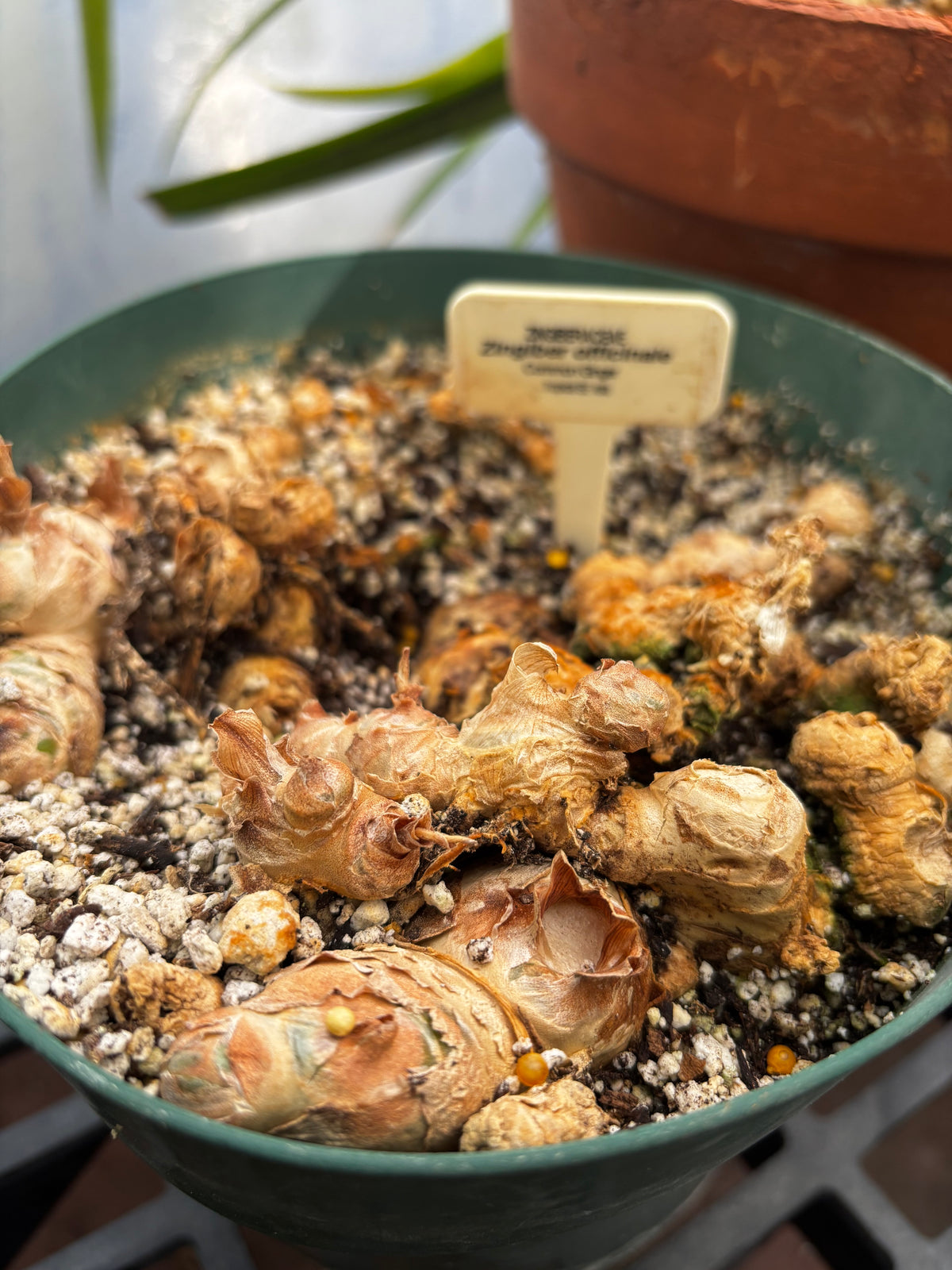
Fresh, dry and sweet are different directions
A fresh-ginger impression may seem zesty and almost fizzy. A dry-spice impression brings the woody side forward. A sweet ginger interpretation may evoke confectionery or baking through its context. These are useful descriptions of finished effects, not botanical varieties or guarantees of a particular extraction.
Follow the spice through the opening
For a comparison exercise, ask whether ginger feels closer to citrus peel or warm wood. With a sweeter fragrance, notice whether you still perceive a sharp edge. With an aromatic one, ask whether the spice feels cool or warming. Describing that transition is more useful than labelling the whole perfume simply spicy.
Go deeper
Does ginger always make perfume smell like food?
No. Freshness and woody warmth can be presented without a dessert association. Notice the surrounding notes before deciding whether a fragrance feels gourmand.
Is the essential oil identical to fresh ginger?
No. The documented oil is distilled from prepared dried rhizomes. Processing and composition make a literal comparison with freshly cut ginger incomplete.
Does a fizzy effect prove a special extract?
No. Fizziness is a sensory description. It can emerge from the wider accord and does not reveal the manufacturing route.
Explore combinations
Ideas for exploring scent; related notes are not necessarily synonyms.
-

Mandarin
Explore Mandarin → -

Lemon
Explore Lemon → -

Cedarwood
Explore Cedarwood →


Related notes
Ideas for exploring scent; related notes are not necessarily synonyms.
-

Cardamom
Explore Cardamom → -

Pink pepper
Explore Pink pepper →


Perfumes containing this note
Selected from MOM's structured fragrance profiles for this exact note. A listed note describes the fragrance and does not disclose its formula.
-
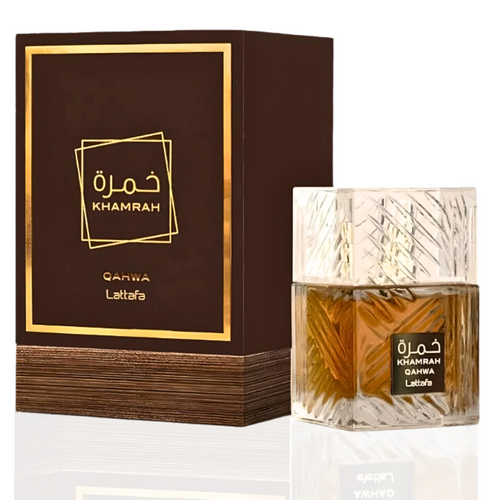
Lattafa Khamrah Qahwa Eau De Parfum 100ml For Men & Women
₹3,380.00
Available View fragrance -

Sapil Ombre Smoky Quartz EDP
From ₹415.00
Available View fragrance -

Ahmed Al Maghribi Ctrine 100ml Extrait De Parfum
₹2,900.00
Available View fragrance -

Ahmed Al Maghribi- Blue By Ahmed 100ml - Edp
₹2,600.00
Available View fragrance -

Mykonos Inception Extrait de Parfum
From ₹700.00
Available Available in a 10 ml decant. View fragrance -

Mykonos Reflection Extrait de Parfum
From ₹740.00
Available Available in a 10 ml decant. View fragrance -

Albait Aldimashqi- LE SEL D'ISSEY 75ML EDP
₹2,249.00
Available View fragrance -

Albait Aldimashqi Tam Dao EDP 75ML
₹2,749.00
Available View fragrance -
Albait Aldimashqi Blue Talisman EDP 75ML
₹2,749.00
Available View fragrance -

Rasasi Hawas Tropical For Men & Women 100ML EDP
₹2,899.00
Available View fragrance -

Rasasi Hawas Kobraa 100ML EDP
₹2,999.00
Sold out View fragrance -

Rasasi Shuhrah Elixir 100ML Edp
₹2,499.00
Sold out View fragrance -

Rasasi Hawas Atlantis For Him 100ML EDP
₹3,199.00
Available View fragrance -

Armaf Club De Nuit Iconic For Men EDP 105ml
₹5,999.00
Available View fragrance -

Khadlaj Empire Crown EDP
From ₹500.00
Available Available in a 10 ml decant. View fragrance -

Khadlaj Island Extrait de Parfum
From ₹500.00
Available Available in a 10 ml decant. View fragrance -

Khadlaj Island Dreams Extrait de Parfum
From ₹500.00
Available Available in a 10 ml decant. View fragrance -

Khadlaj Karus Blu Spice EDP
From ₹510.00
Available Available in a 10 ml decant. View fragrance -

Khadlaj Onyx Gold EDP
From ₹490.00
Available Available in a 10 ml decant. View fragrance -

Khadlaj Onyx Silver EDP
From ₹490.00
Available Available in a 10 ml decant. View fragrance -

Khadlaj Peach Velvet Extrait de Parfum
From ₹490.00
Available Available in a 10 ml decant. View fragrance -

Khadlaj Rasayel Shagaf EDP
From ₹450.00
Available Available in a 10 ml decant. View fragrance


Research and transparency
Sources explain the materials and scent effects discussed above. Supplier descriptions refer to their own materials; pairing exercises are MOM editorial suggestions. Product discovery retains the existing verified note relationships.