
MOM PERFUMES / FRAGRANCE NOTE LIBRARY
Pineapple
Bright tropical fruit, from fresh-cut tang to rounded sweetness.
Fruity
- Tropical
- Juicy
- Sweet-tart
- Bright
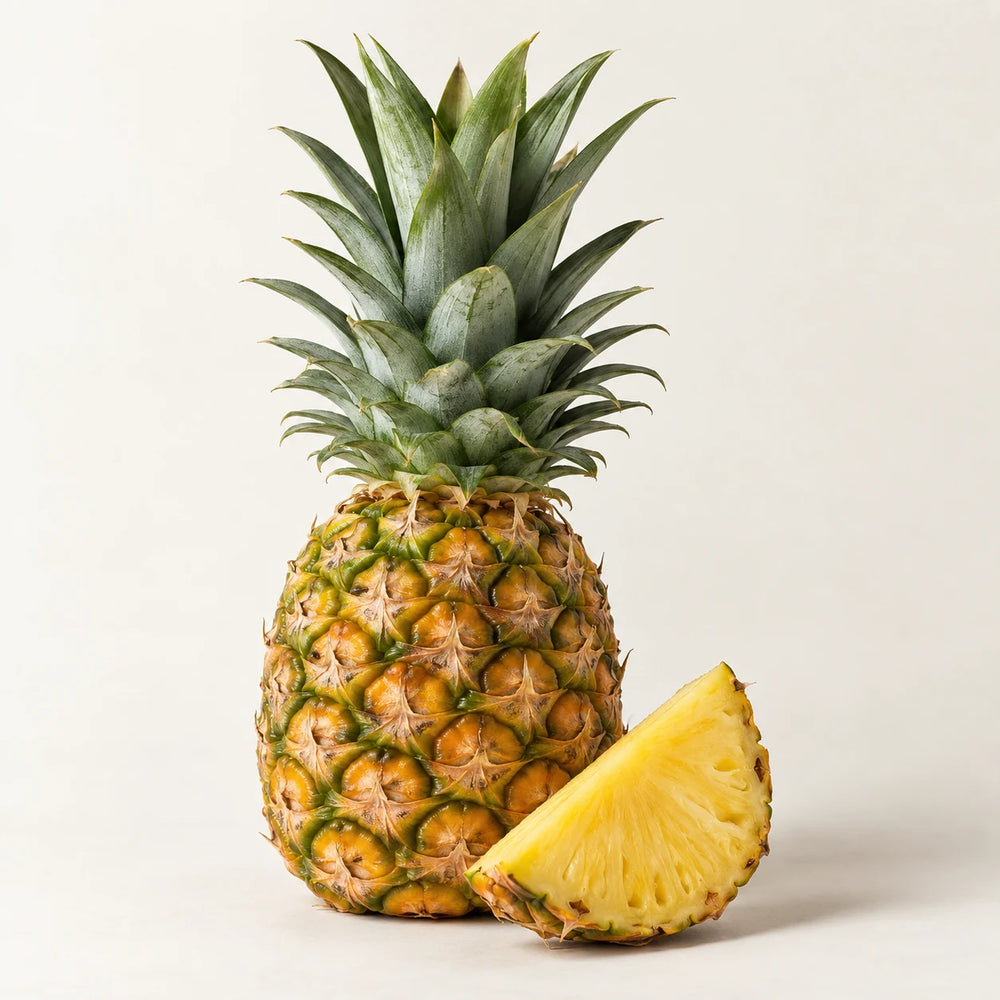
What does pineapple smell like in perfume?
Pineapple can suggest the bright tang of freshly cut fruit, a richly ripe tropical sweetness or a candied impression. Think of freshness and ripeness as two separate qualities: a perfume can feel sparkling without losing its rounded fruit character.
A fruit accord built by the perfumer
A pineapple note usually describes a construction of aroma materials. It is not evidence of pineapple juice in the bottle or a standard distilled fruit oil. The fruit supplies the recognisable reference, while the perfumer decides which facets to emphasise.
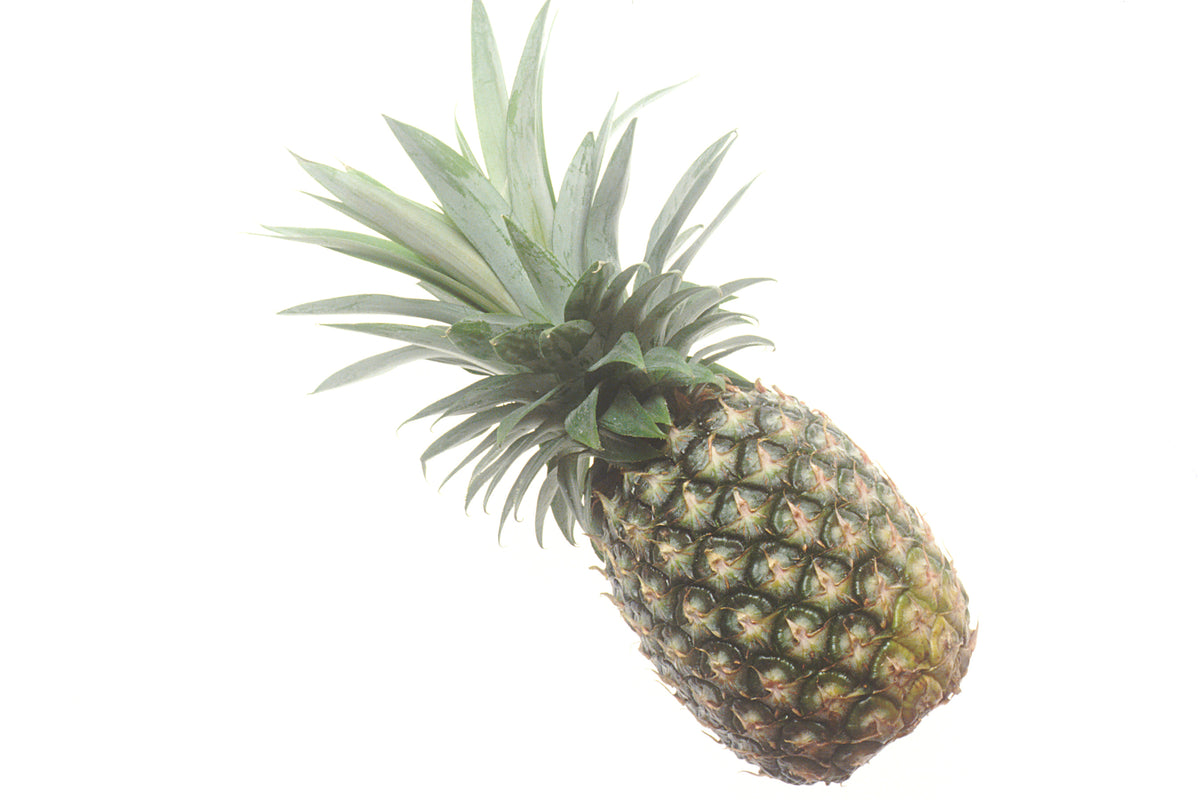
One documented pineapple-smelling material
Vigon identifies allyl caproate as a fruity, sweet, pineapple-smelling ingredient used in fragrance. That gives a concrete example of how the effect can be built. It does not mean that allyl caproate alone reproduces a whole pineapple, or that it appears in every perfume carrying the note.
Fresh-cut, ripe and candied styles
These are compositional directions, not agricultural grades. Use them to describe a fragrance before trying to compare its intensity with another.
Fresh-cut
Look for a lively, tangy outline around the fruit. The impression may feel crisp or sparkling.
Ripe tropical
Look for fuller sweetness and a rounder fruit body. It can seem lush without becoming syrupy.
Candied
Look for a confectionery association in which sweetness leads. That impression is not proof of added sugar or preserved fruit.
No single tropical origin applies
The pineapple plant has a geographical history, but the composed perfume accord has no single growing region. Giving it a plantation origin would confuse inspiration with ingredient sourcing. Individual aroma materials should be traced through their own production records.
Realism and material source are different
The documented ingredient demonstrates a manufactured route to a recognisable pineapple association. Natural-smelling is therefore a description of perception, not proof of extraction from fruit. The fragrance’s note list cannot identify the actual balance of materials.
Separate fruit brightness from the base beneath it
When exploring the existing products, notice whether the pineapple stays juicy against dry woods, becomes more confectionery beside sweet notes, or gains a fresher outline beside citrus. Compare the opening with the later fragrance: a fruit impression can change as its surroundings become more prominent.
Go deeper
Is a pineapple note the same as allyl caproate?
No. The material is one tool with a pineapple-like odour. The note is the larger impression that a perfumer composes.
Does tropical mean the materials were grown in the tropics?
No. It may describe an aromatic association or fragrance style. Provenance requires ingredient-specific evidence.
Why might a pineapple fragrance feel dry?
The fruit can be presented against dry woods or other contrasting textures. Describe the fruit and its surroundings separately rather than expecting every fruity perfume to be uniformly sweet.
Explore combinations
Ideas for exploring scent; related notes are not necessarily synonyms.
-

Grapefruit
Explore Grapefruit → -

Coconut
Explore Coconut → -

Woody notes
Explore Woody notes →


Related notes
Ideas for exploring scent; related notes are not necessarily synonyms.
-

Apple
Explore Apple → -

Pear
Explore Pear →


Perfumes containing this note
Selected from MOM's structured fragrance profiles for this exact note. A listed note describes the fragrance and does not disclose its formula.
-

Lattafa Asad For Men And Women EDP 100ml
₹2,745.00
Available View fragrance -

Lattafa Asad 25ml EDP
₹850.00
Sold out View fragrance -

Nishane Hacivat Extrait de Parfum
From ₹1,250.00
Available Available in a 10 ml decant. View fragrance -

Nishane Hacivat X Extrait de Parfum Unisex
₹22,500.00
Available View fragrance -

Rayhaan - Royal Wood for him 100ML EDP
₹1,599.00
Sold out View fragrance -

Afnan Supremacy Collector's Edition 100ml Eau De Parfum
From ₹640.00
Available Available in a 10 ml decant. View fragrance -

Ahmed Al Maghribi Ighraa 100ml Edp
₹2,300.00
Sold out View fragrance -

Ahmed Al Maghribi Silk Oud 60ml For Men and Women
₹2,650.00
Sold out View fragrance -

Ahmed Al Maghribi - Marin Eau De Parfum 100ml
₹1,950.00
Sold out View fragrance -

Ahmed Al Maghribi Little Hearts 50ml
₹2,400.00
Available View fragrance -

Ahmed Al Maghribi- Zeleny 100ML EDP
₹2,650.00
Available View fragrance -

Albait Aldimashqi Purple Accento 75ml edp for Men
₹2,500.00
Available View fragrance -

Rasasi Hawas Black 100ML EDP
₹3,487.00
Available View fragrance -

Rasasi Hawas Malibu 100ML EDP
₹2,950.00
Available View fragrance -

Khadlaj Island Extrait de Parfum
From ₹500.00
Available Available in a 10 ml decant. View fragrance -

Khadlaj Sensuos Night EDP
From ₹410.00
Available Available in a 10 ml decant. View fragrance -

Armaf Club De Nuit Intense Man Pure Parfum
₹4,249.00
Available View fragrance -

Ahuja Pour Homme EDP
₹2,500.00
Available View fragrance


Research and transparency
Sources explain the materials and scent effects discussed above. Supplier descriptions refer to their own materials; pairing exercises are MOM editorial suggestions. Product discovery retains the existing verified note relationships.