
MOM PERFUMES / FRAGRANCE NOTE LIBRARY
Incense
Resinous brightness, warm depth and the suggestion of smoke.
Resinous
- Resinous
- Peppery
- Woody
- Smoky
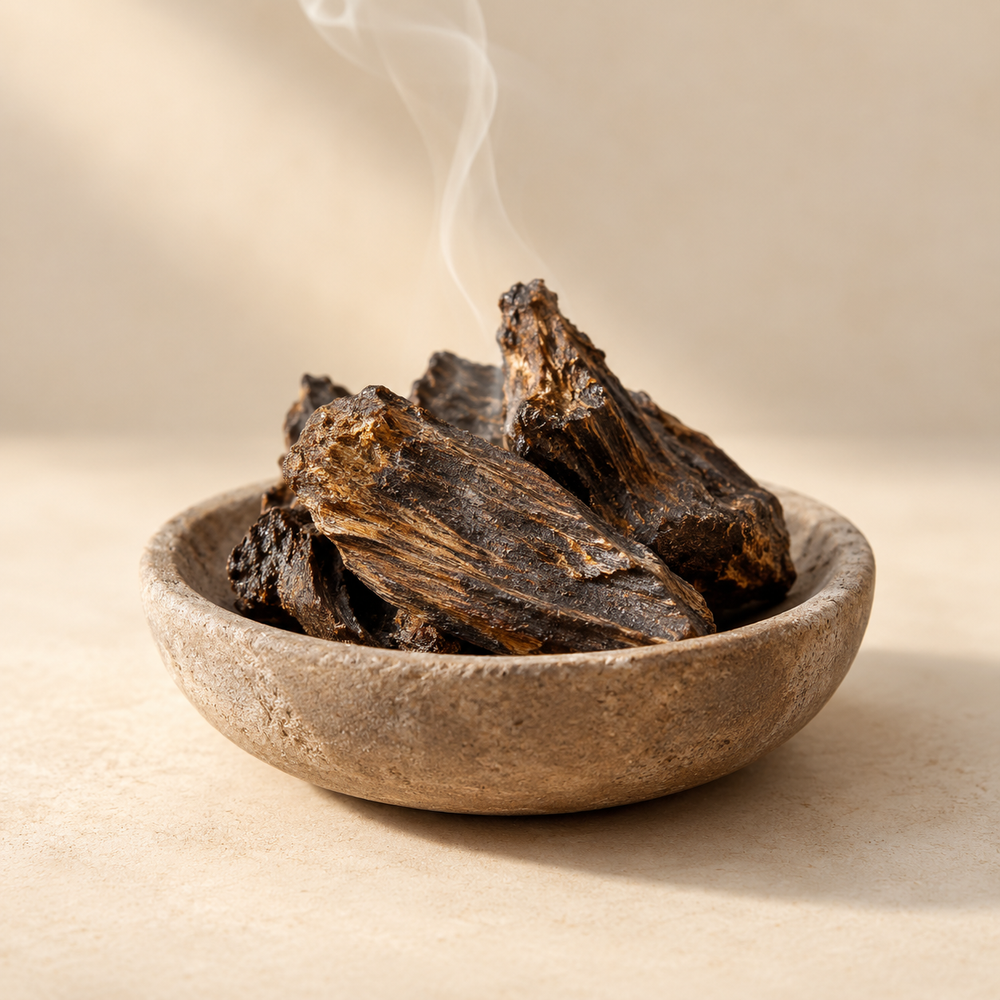
What does incense smell like in perfume?
Incense can feel peppery and bright, resinous and warm, or dark and smoky. It may evoke a place where fragrant material has been burned, but not every incense perfume is dominated by smoke. Separate the resin’s own aroma from the memory of combustion.
An accord category with several possible materials
Incense is a broad perfume description. Frankincense, also called olibanum, is one relevant natural resin; it is not a synonym for every incense formula. A composition may combine resin materials with other ingredients to suggest smoke, dry air or lingering warmth.
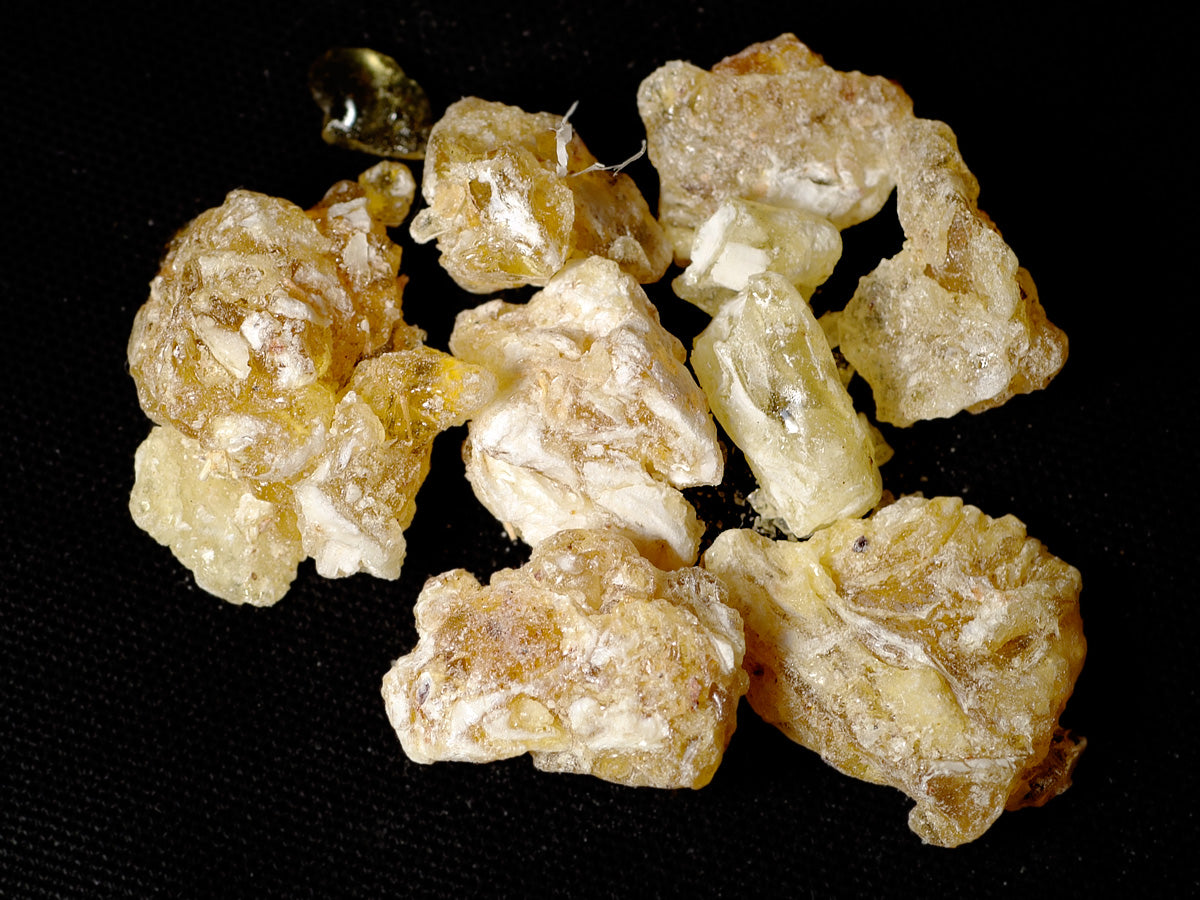
A specific olibanum example
IFF’s reviewed olibanum oil comes from Boswellia carterii gum-resin and is sourced in Somaliland. This establishes one documented material and supply region. The broad incense accord has no single tree species, country or traditional setting that can be assigned to all perfumes.
Distillation does not mean burning
The documented oil is made by hydrodistillation of gum-resin. Aromatic constituents are carried with vapour and recovered after cooling. The perfume material is therefore different from the smoke produced when resin burns. A perfumer constructs any smoky association within the liquid composition.
Resin, oil and the finished atmosphere
These distinctions help explain why an incense note can be lighter or darker than expected. They separate physical material from the effect a perfume creates.
Raw olibanum resin
The botanical gum-resin is the starting material for the reviewed oil. Its identity is more specific than the word incense.
Distilled olibanum oil
This example has peppery spice, citrus facets and ambery resinous undertones. Brightness is part of its character.
Incense accord
The finished construction can emphasise smoke, resin or a dry atmospheric impression using selected materials. No single extract defines it.
A natural resin does not define the entire accord
Natural olibanum can be used alongside manufactured aroma materials, and incense effects can be constructed in other ways. The familiar smell of burning resin is not proof of a particular ingredient. The note name describes inspiration and effect rather than a complete production record.
Listen for the bright edge before the smoke
Compare an incense fragrance with a sweeter resinous one. Is there peppery or citrus brightness before the warm drydown? With woods, ask whether the result feels like timber or smoke; with florals, notice whether resin changes the depth beneath the petals. These prompts help distinguish styles in the existing product selection.
Go deeper
Is incense always frankincense?
No. Frankincense is one material associated with incense. The broader category can refer to many composed effects.
Is the oil collected from burning resin?
The reviewed oil is hydrodistilled from gum-resin. Distillation and combustion are different processes, which explains why an oil can smell brighter than burning incense.
Does an incense note identify a religious tradition?
Not by itself. Cultural inspiration should come from an explicit fragrance story, not be inferred from the note name or illustration.
Explore combinations
Ideas for exploring scent; related notes are not necessarily synonyms.
-

Cedarwood
Explore Cedarwood → -

Lemon
Explore Lemon → -

Leather
Explore Leather →


Related notes
Ideas for exploring scent; related notes are not necessarily synonyms.
-

Benzoin
Explore Benzoin → -

Labdanum
Explore Labdanum →


Perfumes containing this note
Selected from MOM's structured fragrance profiles for this exact note. A listed note describes the fragrance and does not disclose its formula.
-

Rayhaan - Imperia Intense 100ML EDP
₹1,599.00
Sold out View fragrance -
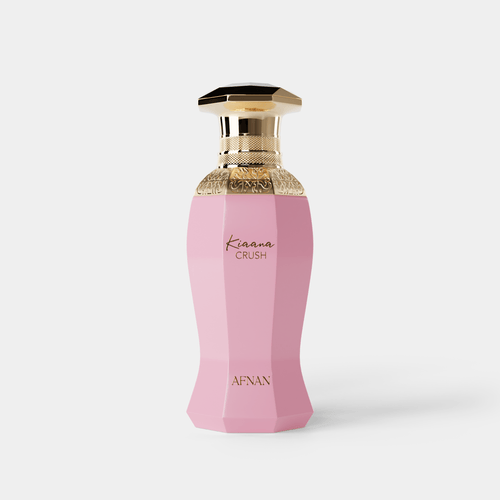
Afnan Kiaana Crush 100ml Eau De Parfum
From ₹570.00
Available Available in a 10 ml decant. View fragrance -

Ahmed Al Maghribi Summer Oud Eau De Parfum For Men 60ml
₹3,499.00
Available View fragrance -

Ahmed Al Maghribi- Blue By Ahmed 100ml - Edp
₹2,499.00
Available View fragrance -

Ahmed Al Maghribi - Aqua Oud 90ML EDP
₹2,750.00
Sold out View fragrance -

Ahmed Al Maghribi Brulee 100ml
₹3,450.00
Available View fragrance -

Ahmed Al Maghribi Blu Oud EDP Unisex
₹3,100.00
Available View fragrance -

Albait Aldimashqi Opus VI EDP 75ML
₹2,749.00
Available View fragrance -

Albait Aldimashqi Black Afghano 75ml Eau De Parfum
₹2,249.00
Sold out View fragrance -

Rasasi- Hawas Eclat Eau De Parfum 100ML
₹3,500.00
Available View fragrance -

Armaf Club De Nuit Iconic For Men EDP 105ml
₹5,999.00
Available View fragrance -

Armaf - Club De Nuit Imperiale Eau De Parfum 105ml
₹5,610.00
Available View fragrance -

Khadlaj Azure Velvet Extrait de Parfum
From ₹490.00
Available Available in a 10 ml decant. View fragrance -

Khadlaj Bleu Glace Extrait de Parfum
From ₹490.00
Available Available in a 10 ml decant. View fragrance -

Khadlaj Icon EDP
From ₹545.00
Available Available in a 10 ml decant. View fragrance -

Khadlaj Titan EDP
From ₹510.00
Available Available in a 10 ml decant. View fragrance


Research and transparency
Sources explain the materials and scent effects discussed above. Supplier descriptions refer to their own materials; pairing exercises are MOM editorial suggestions. Product discovery retains the existing verified note relationships.