
MOM PERFUMES / FRAGRANCE NOTE LIBRARY
Leather
A composed texture, from soft suede to dark, smoky hide.
Leather
- Dry
- Leathery
- Smoky
- Warm
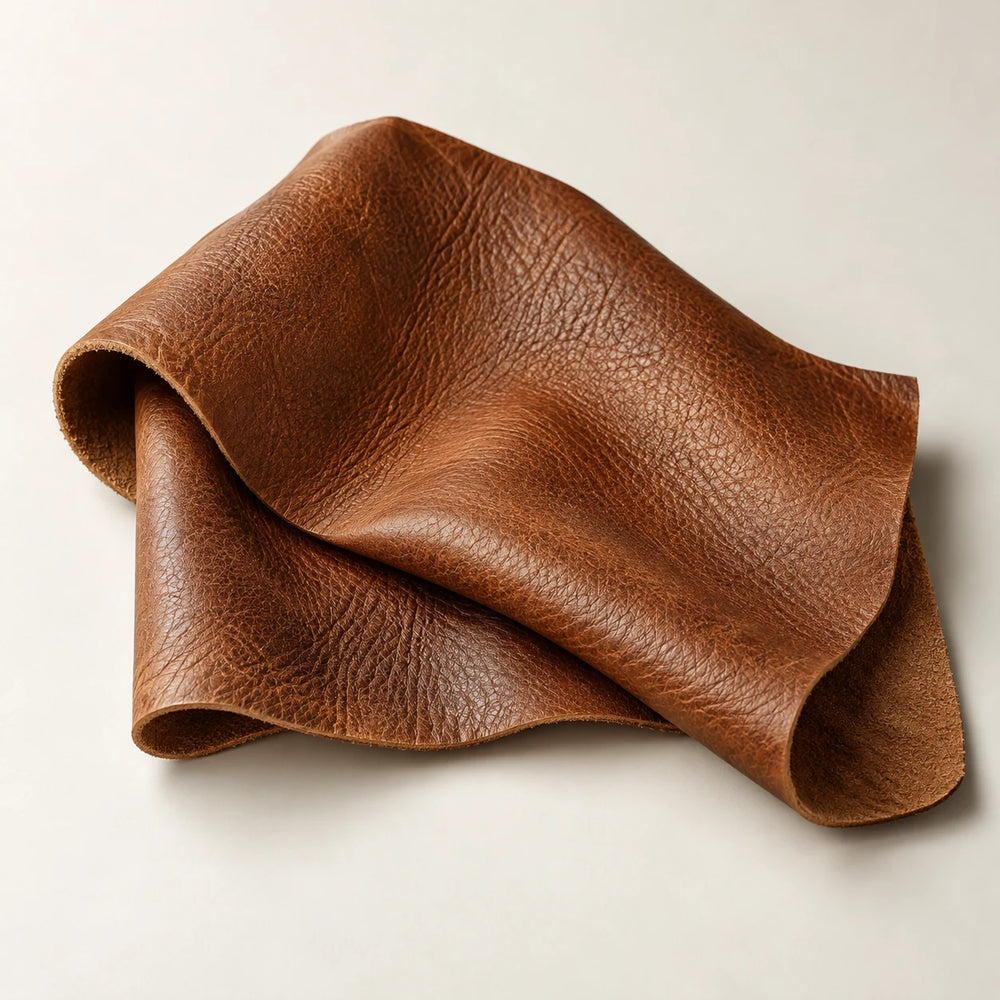
What does leather smell like in perfume?
Leather may suggest a smooth handbag, soft suede, a dry saddle or a darker smoky surface. These are sensory associations rather than a single standard smell. Try separating texture from intensity: velvety leather can be quiet, while a greener or smokier interpretation can feel more assertive.
An accord rather than an extract of hide
Leather is normally a constructed perfumery impression. The perfumer combines materials that suggest the smell and texture associated with leather goods. It is not a botanical material, and listing leather does not establish that animal hide was extracted or added to the perfume.
How the impression is assembled
A leather construction can combine specific leathery aroma materials with woods, resins and softer modifiers. Givaudan’s Isopropyl Quinoline is one documented leathery material; Fraterworks’ Royal Leather is a complete blended base. A molecule and a base are different tools, and neither is a universal leather recipe.
Different tools for a leather impression
Individual material
Isopropyl Quinoline provides a documented leathery facet.
Prepared blend
Royal Leather is an example of a complete blended base.
Supporting facets
Woods, resins and softer modifiers can shape the result.
Three useful ways to describe the style
The following are smell categories, not breeds, species or grades of raw leather. Use them to say what kind of leather impression you enjoy.
Suede-like
Focus on softness and a powdery or velvety surface. Ask whether the leather is a background texture rather than the loudest feature.
Green leather
Look for a sharper, drier edge that cuts through the softness. Green here is a scent association, not a colour ingredient.
Smoky leather
Look for a darker, charred association. Smoke is one possible direction, not a requirement for every leather fragrance.
There is no leather growing region
The accord has a compositional origin: it is designed. Individual materials in it have their own manufacturing or agricultural supply chains. A place name in a leather fragrance may describe inspiration or style, but it does not identify a single harvest or extraction process.
What the note cannot tell you
Leather constructions can draw on manufactured ingredients and natural materials. The animalic word sometimes used in their description refers to a smell quality. Neither leather nor animalic, on its own, establishes whether a finished perfume contains animal-derived ingredients; that requires a separate product disclosure.
Notice what surrounds the leather
The reviewed modern base is described as useful with woods and amber. For a comparison exercise, ask whether a floral accent makes the leather feel softer, whether dry woods sharpen it, or whether resinous sweetness rounds it. Track the balance as the perfume develops instead of expecting the leather to remain equally prominent throughout.
Go deeper
Must leather smell smoky?
No. A refined, powdery leather base is one documented alternative. Softness, greenness and smoke are separate dimensions of the accord.
Is suede a different extracted material?
In this context, suede usually describes a softer style of leather impression. It is not evidence that a different kind of hide was processed into perfume.
Can a leather perfume also feel fresh?
Freshness and leathery texture can coexist. When comparing products, describe the opening separately from the later dry texture rather than treating the note name as the whole fragrance.
Explore combinations
Ideas for exploring scent; related notes are not necessarily synonyms.
-

Cedarwood
Explore Cedarwood → -

Raspberry
Explore Raspberry → -

Cardamom
Explore Cardamom →


Related notes
Ideas for exploring scent; related notes are not necessarily synonyms.
-

Woody notes
Explore Woody notes → -

Labdanum
Explore Labdanum →


Perfumes containing this note
Selected from MOM's structured fragrance profiles for this exact note. A listed note describes the fragrance and does not disclose its formula.
-

Rayhaan - Corium 100ML EDP
₹2,599.00
Sold out View fragrance -
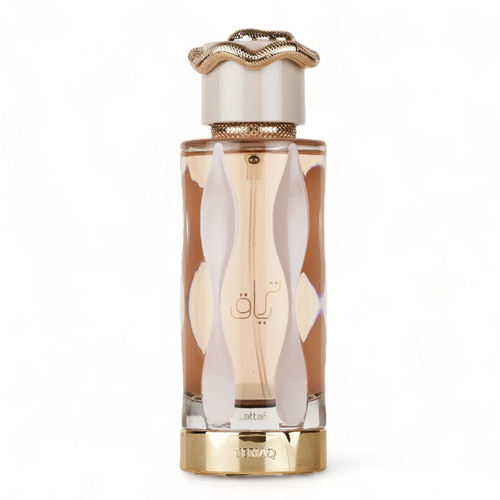
Lattafa Teriaq EDP Unisex
₹2,600.00
Sold out View fragrance -
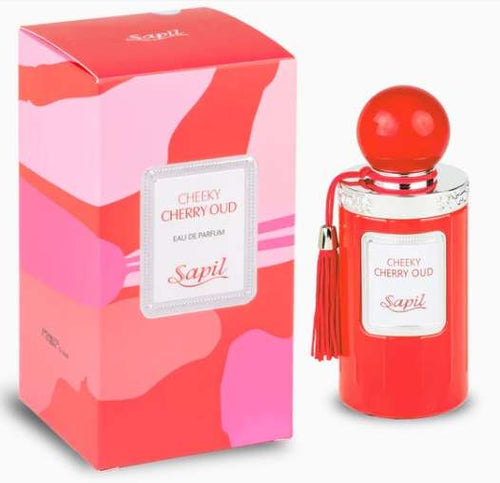
Sapil Cheeky Cherry Oud EDP
From ₹415.00
Sold out View fragrance -

Sapil Ombre Turquoise EDP
From ₹415.00
Available View fragrance -

Afnan 9PM Elixir 100ml Extrait De Parfum
From ₹560.00
Available Available in a 10 ml decant. View fragrance -

Ahmed Al Maghribi O'Clock 100ML EDP
₹2,400.00
Sold out View fragrance -

Ahmed Al Maghribi Summer Oud Eau De Parfum For Men 60ml
₹3,499.00
Available View fragrance -

Ahmed Al Maghribi - Ignite Oud Eau De parfum 60ml
₹3,299.00
Sold out View fragrance -

Ahmed Al Maghribi- Bombay Oud Eau De Parfum 80ml
₹4,699.00
Available View fragrance -

Ahmed Al Maghribi- Leather Eau De Parfum 50ml For Men And Women
₹2,000.00
Sold out View fragrance -

Ahmed Al Maghribi Cinder 100ml
₹2,500.00
Available View fragrance -

Ahmed Al Maghribi Garnet 100ml
₹2,850.00
Available View fragrance -

Ahmed Al Maghribi Ruyaak 100ml
₹3,100.00
Available View fragrance -

Ahmed Al Maghribi Tanuf 50ml
₹2,700.00
Available View fragrance -

Ahmed Al Maghribi - Marj 60ml
₹4,599.00
Available View fragrance -

Ahmed Al Maghribi- Laathani 80ML
₹4,300.00
Sold out View fragrance -

Ahmed Al Maghribi Blu Oud EDP Unisex
₹3,100.00
Available View fragrance -

Albait Aldimashqi Cuir Intense EDP 75ML
₹2,749.00
Available View fragrance -
Albait Aldimashqi HalFeti Leather EDP 75ML
₹2,749.00
Available View fragrance -

Rasasi Shuhrah Pour Homme EDP
₹2,850.00
Available View fragrance -

Rasasi Shaghaf Pour Homme EDP
₹2,300.00
Sold out View fragrance -

Rasasi Nafaeis Al Shaghaf Pour Homme EDP 100ml
₹2,450.00
Sold out View fragrance -

Khadlaj Le Prestige King EDP
From ₹500.00
Available Available in a 10 ml decant. View fragrance -

Ahuja Sacred Santal EDP
₹2,500.00
Available View fragrance


Research and transparency
Sources explain the materials and scent effects discussed above. Supplier descriptions refer to their own materials; pairing exercises are MOM editorial suggestions. Product discovery retains the existing verified note relationships.