
MOM PERFUMES / FRAGRANCE NOTE LIBRARY
Cedarwood
Also listed as Cedar in fragrance notes.
Dry wood, pencil shavings and warmer resinous shades.
Woody
- Dry
- Woody
- Balsamic
- Resinous
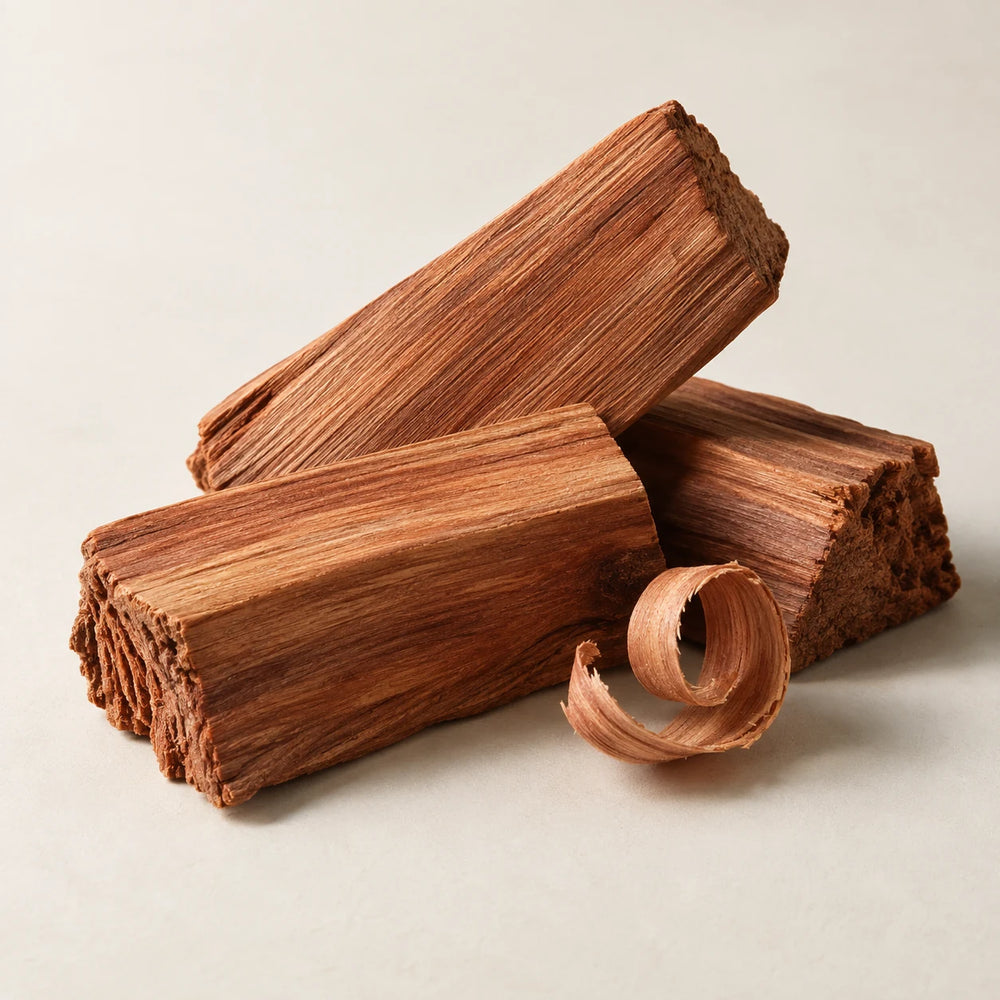
What does cedarwood smell like?
Cedarwood often suggests dry timber or fresh pencil shavings. Other materials sold under the name are warmer and more resinous, with a slightly camphor-like edge. It helps to separate dry texture from smoky texture: a woody impression need not resemble burning wood.
One common name, different trees
Virginia cedarwood is Juniperus virginiana, whereas Atlas cedarwood is Cedrus atlantica. These are distinct botanical materials, not merely different countries’ versions of an identical oil. The broad note name cedarwood cannot identify the species on its own.
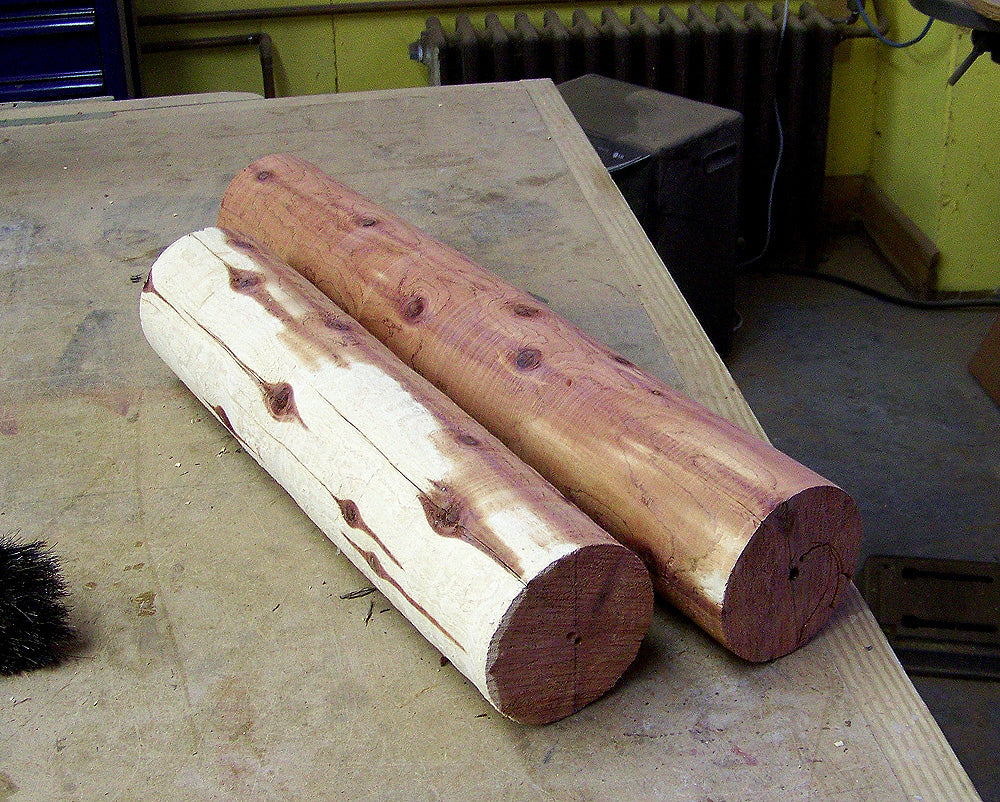
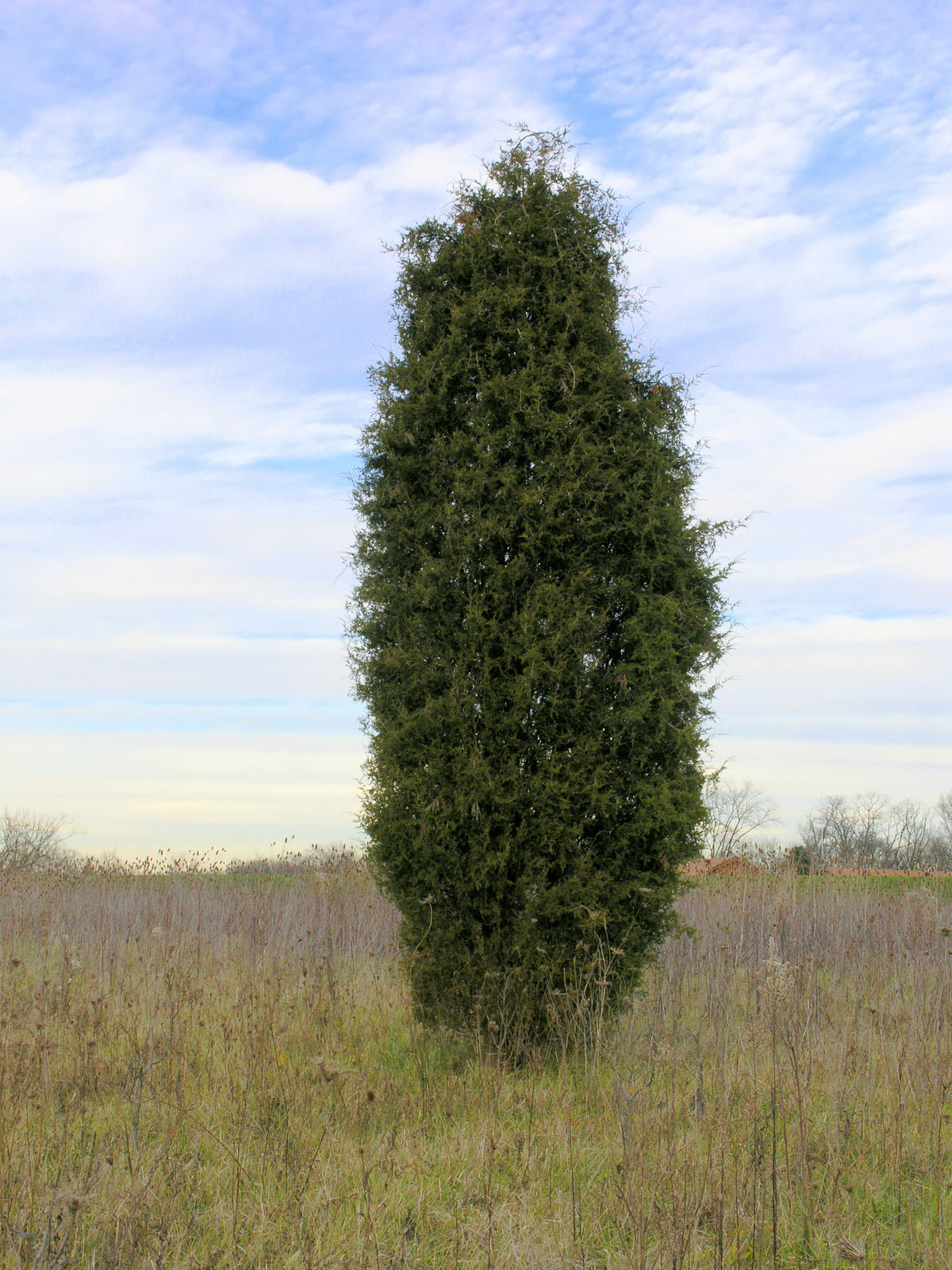
Virginia and Atlas side by side
Use these two documented oils as reference points. They explain why two cedarwood fragrances can have noticeably different textures without either description being wrong.
Virginia cedarwood
A dry, clean woody reference, often associated with pencil shavings. This is a juniper-derived wood oil despite the familiar cedar name.
Atlas cedarwood
A warmer, resinous woody profile with camphoraceous nuances. This example comes from a true cedar, Cedrus atlantica.
Wood and the importance of traceable sourcing
The reviewed Virginia oil is sourced in the USA; the Atlas example comes from Morocco. The producer’s account describes recovering aromatic material from wood associated with local woodworking. Such a documented practice concerns that supply chain, not a universal sustainability claim for all cedarwood perfumes.
Distilling the wood
Wood material is distilled to recover its volatile essential oil. The result is concentrated aroma, not wood dust suspended in perfume. Species and processing both affect the character; changing the starting wood is more consequential than simply changing the label on a finished oil.
Natural oils and cedar-like constructions
A perfume can use wood oil, manufactured woody materials or a combination to create a cedarwood effect. Describing a scent as pencil-like does not prove Virginia oil was used. Likewise, the existing Cedar alias is a discovery relationship, not a declaration that every associated fragrance contains one species.
A dry framework for other notes
Cedarwood can contribute woody body beneath citrus, aromatic and floral effects. The Atlas producer also describes a fixative role. That means usefulness within the composition’s lasting structure, not a promise that adding a cedarwood note makes every perfume last for a specified number of hours.
Compare outline and softness
Try describing whether the wood feels sharply drawn or softly resinous. Beside citrus, look for the transition from bright peel to dry timber. Beside floral notes, ask whether the wood gives the petals a firmer outline. With sweet notes, notice whether dryness remains perceptible. These are listening prompts for the verified products below.
Go deeper
Are Cedar and Cedarwood guaranteed to mean different ingredients?
No. Consumer note wording is not a botanical specification. The existing canonical and alias relationships remain useful for finding perfumes without turning naming differences into formula claims.
Is Atlas cedarwood simply stronger Virginia cedarwood?
No. They come from different botanical sources and offer different aromatic profiles. Compare character rather than imagining a simple strength scale.
Does cedarwood always smell smoky?
No. Dry, resinous and camphoraceous are distinct descriptions. If you perceive smoke in a perfume, it may belong to the wider accord rather than establish the identity of the wood material.
Explore combinations
Ideas for exploring scent; related notes are not necessarily synonyms.
-

Lavender
Explore Lavender → -

Grapefruit
Explore Grapefruit → -

Cardamom
Explore Cardamom →


Related notes
Ideas for exploring scent; related notes are not necessarily synonyms.
-

Cedar
Explore Cedar → -

Woody notes
Explore Woody notes →


Perfumes containing this note
Selected from MOM's structured fragrance profiles for this exact note. A listed note describes the fragrance and does not disclose its formula.
-

Rasasi Dareej Sports 100ml edp
₹2,200.00
Sold out View fragrance -

Khadlaj Fursan Brown EDP
From ₹470.00
Available Available in a 10 ml decant. View fragrance -

Khadlaj Fursan White EDP
From ₹470.00
Available Available in a 10 ml decant. View fragrance -

Khadlaj 25 Heritage EDP
From ₹500.00
Available Available in a 10 ml decant. View fragrance -

Khadlaj Oud Al Sabah EDP
From ₹450.00
Available Available in a 10 ml decant. View fragrance -

Khadlaj Oud Pour Klassik EDP
From ₹590.00
Available Available in a 10 ml decant. View fragrance -

Khadlaj Rasayel Shagaf EDP
From ₹450.00
Available Available in a 10 ml decant. View fragrance -

Khadlaj Sensuos Night EDP
From ₹410.00
Available Available in a 10 ml decant. View fragrance -

Khadlaj Shiyaaka Shadow EDP
From ₹520.00
Available Available in a 10 ml decant. View fragrance -

Khadlaj Valor Enigma EDP
From ₹500.00
Available Available in a 10 ml decant. View fragrance -

Ahuja Daring EDP
₹2,500.00
Available View fragrance -

Ahuja Sacred Santal EDP
₹2,500.00
Available View fragrance -

Ahuja Drunk Saint Parfum
₹3,500.00
Available View fragrance -

Ahuja Almond Saffron Parfum
₹3,500.00
Available View fragrance


Also listed as Cedar
These fragrances list Cedar in their verified notes. Products already included under the canonical note are omitted here.
-

Hermes - Terre D hermes pure parfum 12.5ML (MINIATURE)
₹1,799.00
Sold out View fragrance -

Hermes Terre D'Hermes Parfum for Men
From ₹8,550.00
Available View fragrance -

Terre D'hermes 200ML PURE Parfum
₹15,500.00
Available View fragrance -

Tester Hermes Terre D'hermes Pure parfum 75ml
₹7,350.00
Sold out View fragrance -
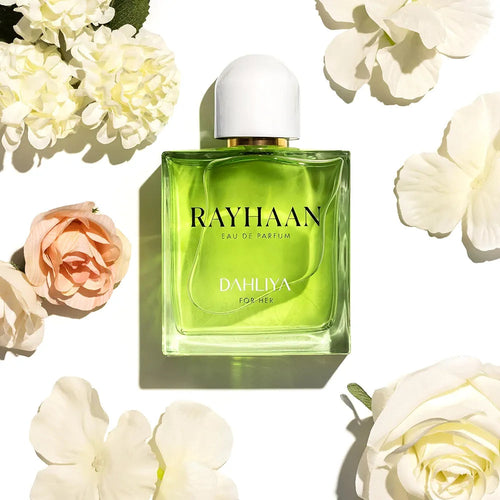
Rayhaan - Dahliya 100ML EDP
₹1,599.00
Sold out View fragrance -

Afnan Historic Olmeda 100ml Eau De Parfum
From ₹560.00
Available Available in a 10 ml decant. View fragrance -

Afnan 9PM Night Out 100ml Extrait De Parfum
From ₹610.00
Available Available in a 10 ml decant. View fragrance -
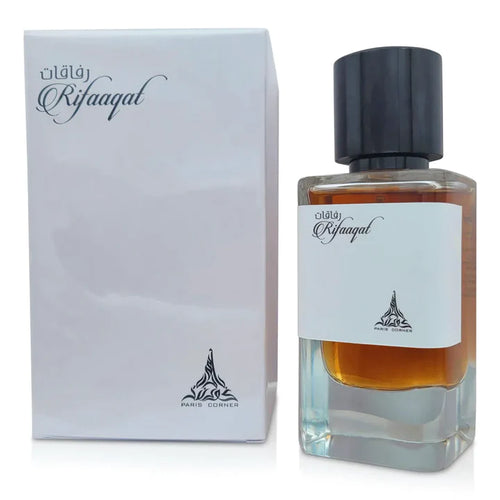
Paris Corner Rifaaqat EDP
From ₹600.00
Available Available in a 10 ml decant. View fragrance -

Ahmed Al Maghribi Ctrine 100ml Extrait De Parfum
₹2,900.00
Available View fragrance -

Ahmed Al Maghribi- Blue By Ahmed 100ml - Edp
₹2,499.00
Available View fragrance -

Ahmed Al Maghribi Is It Me 90ml
₹3,000.00
Available View fragrance -

Albait Aldimashqi Oud Satin Mood 75ml edp
₹2,400.00
Sold out View fragrance -

Albait Aldimashqi Carved Oud 75ml edp
₹2,100.00
Sold out View fragrance -

Albait Aldimashqi Lustre EDP 75ML
₹2,749.00
Available View fragrance -
Albait Aldimashqi Memoire Dune Odeur EDP 75ML
₹2,749.00
Available View fragrance -
Albait Aldimashqi Royal Oud EDP 75ML
₹2,749.00
Available View fragrance -

Rasasi Fattan Pour Homme EDP 50ml
₹1,549.00
Sold out View fragrance -

Rasasi Hawas Diva For Her 100ml EDP
₹2,699.00
Sold out View fragrance -

Rasasi Hawas Nautilus 100ml Edp For Men & Women
₹3,499.00
Available View fragrance -

ARMAF CLUB DE NUIT UNTOLD 105ML EDP
₹3,900.00
Available View fragrance -

Armaf Club De Nuit Iconic For Men EDP 105ml
₹5,999.00
Available View fragrance -

Armaf - Club De Nuit Imperiale Eau De Parfum 105ml
₹5,610.00
Available View fragrance


Research and transparency
Sources explain the materials and scent effects discussed above. Supplier descriptions refer to their own materials; pairing exercises are MOM editorial suggestions. Product discovery retains the existing verified note relationships.