
MOM PERFUMES / FRAGRANCE NOTE LIBRARY
Lavender
A floral herb with a cool, aromatic edge.
Aromatic
- Herbal
- Floral
- Fresh
- Aromatic
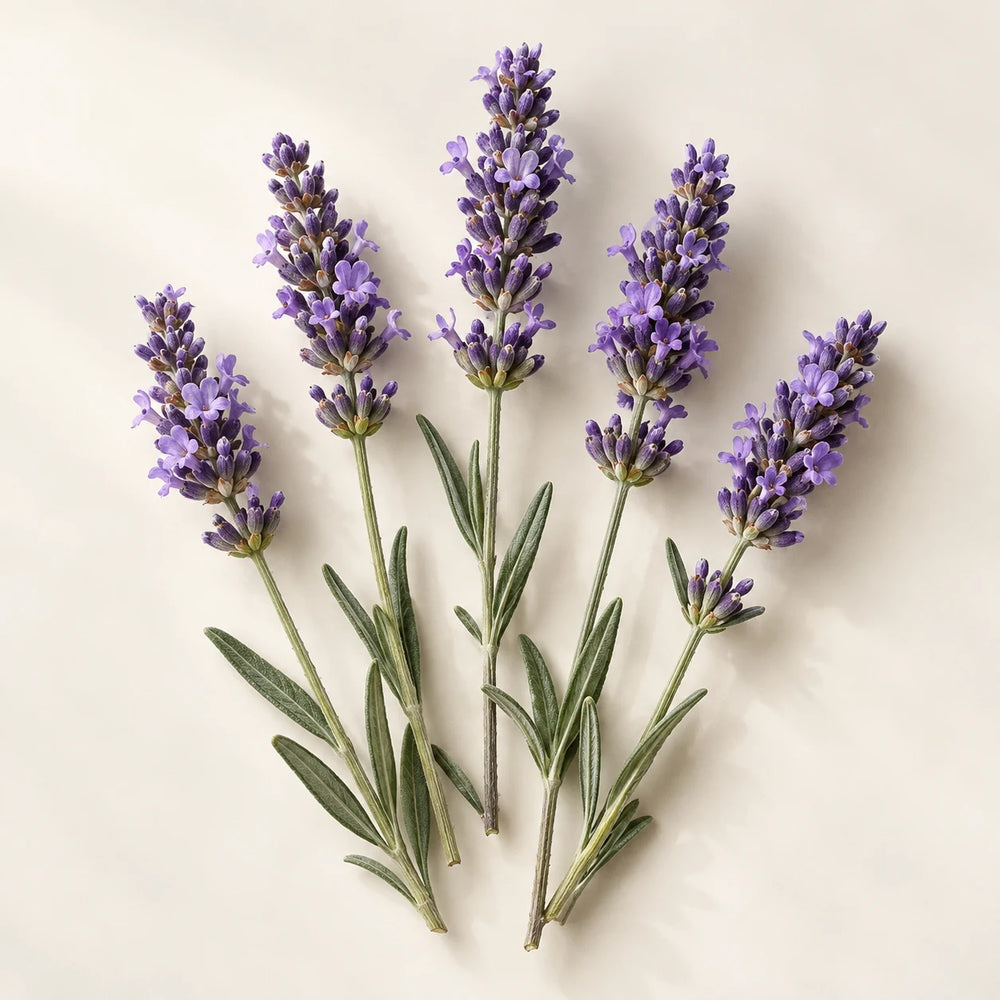
What does lavender smell like?
Lavender combines a soft floral impression with crushed-herb freshness. A cool, slightly medicinal or camphor-like edge can sit beside powdery and woody facets. To recognise it, imagine smelling the flowering plant and its green stems together: it is more aromatic than a purely petal-like flower.
True lavender and its related hybrid
True lavender oil comes from Lavandula angustifolia. Lavandin, including the Grosso cultivar, belongs to the hybrid Lavandula × intermedia. Both provide useful aromatic oils, but the familiar purple-flower image should not make us treat them as the same material.
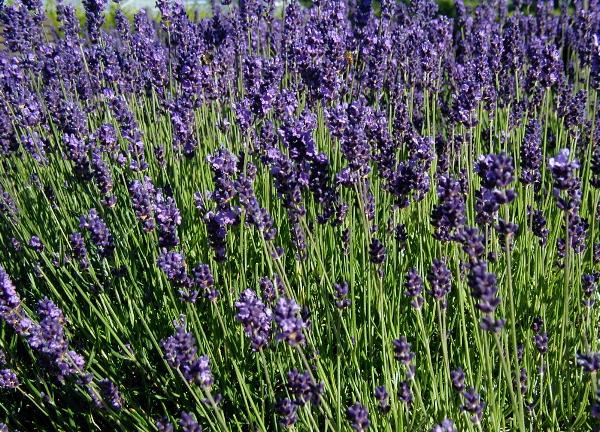
Floral softness or a stronger herbal edge?
These producer examples help explain a meaningful distinction. They do not rank oils by quality, and a finished perfume can emphasise or soften either character.
True lavender
The Bulgarian oil is described with floral, powdery, aromatic and woody facets. It offers more than the idea of a sharp cleaning scent.
Lavandin Grosso
The French hybrid oil is more incisively herbal and camphoraceous. That stronger aromatic profile gives it its own uses, including soaps and detergents.
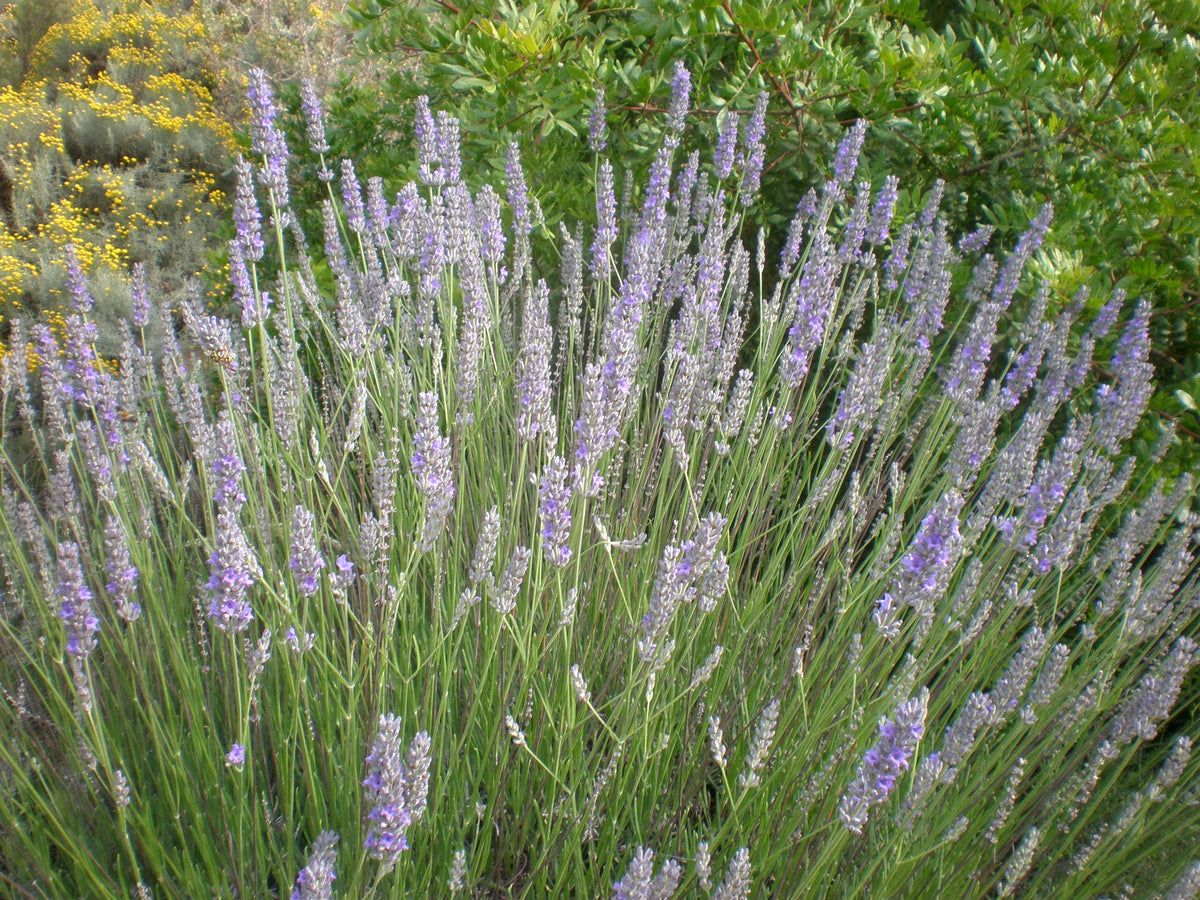
Two documented growing traditions
Bulgaria supplies the true lavender oil discussed here; France supplies the reviewed lavandin. Species, cultivation and harvesting all matter alongside geography. A country name is useful provenance for a named raw material, not a guarantee of one uniform smell across every oil grown there.
Capturing the flowering tops
Steam distillation carries volatile aromatic constituents from harvested flowering tops. Cooling the vapour allows the essential oil to be recovered. Harvest preparation also differs: the Bulgarian lavender account describes a period of field drying, while the lavandin account describes rapid distillation after cutting to avoid an unwanted cooked character.
- 01
Harvest and prepare
Harvest the flowering tops. Preparation depends on the material: the Bulgarian lavender account includes field drying, while the French lavandin account describes prompt distillation after cutting.
- 02
Carry the aroma with steam
Steam carries volatile aromatic constituents from the harvested plant material.
- 03
Cool and recover
Cooling the vapour allows the essential oil to be recovered.
The plant oil and the lavender impression
An essential oil is a mixture supplied by the plant and shaped by processing. A lavender accord is the perfumer’s aromatic impression and can be adjusted with other materials. The word lavender on a note list therefore cannot tell you which species, oil grade or balance of natural and manufactured ingredients was used.
An aromatic bridge through a fragrance
Lavender is important in the fougère family and can work with citrus, spice, woods or fuller flowers. It can participate in both the fresh opening and the floral-aromatic heart. Its role is not limited to a single gender, product type or fixed position in a note pyramid.
Compare freshness with softness
Use the fragrances below to explore whether lavender reads as a flower, a herb or a clean aromatic texture. Beside citrus, look for a brighter outline; beside tonka, look for warm hay-like sweetness beneath the herb; beside woods, notice whether the floral part remains clear. These are ways to describe what you perceive, not ingredient tests.
Go deeper
Is lavandin simply poor-quality lavender?
No. It is a distinct hybrid with a more herbal, camphor-like profile. Suitability depends on the intended effect; a more forceful smell is not automatically a defect.
Why do two lavender perfumes smell so different?
The material itself can vary, and the surrounding composition changes which facets stand out. Compare the herbal edge and floral centre separately before deciding how similar they are.
Does purple colour explain the scent?
No. The existing illustration identifies the subject visually. Colour is not evidence of which oil or reconstruction the perfume contains.
Explore combinations
Ideas for exploring scent; related notes are not necessarily synonyms.
-

Tonka bean
Explore Tonka bean → -

Cedarwood
Explore Cedarwood → -

Grapefruit
Explore Grapefruit →


Related notes
Ideas for exploring scent; related notes are not necessarily synonyms.
-

Mint
Explore Mint → -

Geranium
Explore Geranium →


Perfumes containing this note
Selected from MOM's structured fragrance profiles for this exact note. A listed note describes the fragrance and does not disclose its formula.
-

Rayhaan - Imperia Intense 100ML EDP
₹1,599.00
Sold out View fragrance -

Rayhaan - Ocean Rush 100ML EDP
₹1,999.00
Sold out View fragrance -

Rayhaan - Fresh Wave 100ML EDP FOR HIM
₹1,599.00
Sold out View fragrance -

Afnan Supremacy Not Only Intense 150ml Extrait De Parfum
From ₹540.00
Available Available in a 10 ml decant. View fragrance -

Afnan Supremacy Not Only Intense 100ml Extrait De Parfum
From ₹640.00
Available Available in a 10 ml decant. View fragrance -

KAAF” UNISEX 100ML (MADE IN UAE) BY AHMED AL MAGHRIBI
₹2,299.00
Sold out View fragrance -

Sapil Royale Oud EDP
From ₹410.00
Available View fragrance -

Afnan 9PM Night Out 100ml Extrait De Parfum
From ₹610.00
Available Available in a 10 ml decant. View fragrance -

Ahmed Al Maghribi Ighraa 100ml Edp
₹2,300.00
Sold out View fragrance -

Ahmed Al Maghribi Oud & Roses Eau De Parfum For Unisex 60ml
₹3,800.00
Sold out View fragrance -

Ahmed Al Maghribi O'Clock 100ML EDP
₹2,400.00
Sold out View fragrance -

Ahmed Almaghribi - Hirfah Eau De Parfum 75ml
₹3,250.00
Sold out View fragrance -

Ahmed Al Maghribi- AHL 60ML EDP
₹4,500.00
Available View fragrance -

Ahmed Al Maghribi Bloom Spectrum 100ml
₹2,600.00
Available View fragrance -

Ahmed Al Maghribi Garnet 100ml
₹2,850.00
Available View fragrance -

Mykonos Glitch Extrait de Parfum
From ₹640.00
Available Available in a 10 ml decant. View fragrance -

Mykonos California Blue Extrait de Parfum
From ₹640.00
Available Available in a 10 ml decant. View fragrance -

Ahmed Al Maghribi Prometheus By Ahmed Green 100ml
₹2,900.00
Available View fragrance -

Ahmed Al Maghribi Oud Lavender EDP Unisex
₹3,900.00
Available View fragrance -

Ahmed Al Maghribi Maani EDP
₹2,350.00
Sold out View fragrance -

Albait Aldimashqi Le Male Elixir 75ml edp
₹2,250.00
Available View fragrance -

ALBAIT ALDIMASHQI LIBRE INTENSE EDP 75ML
₹2,250.00
Available View fragrance -

Albait Aldimashqi HalFeti Leather EDP 75ML
₹2,749.00
Available View fragrance -

Albait Aldimashqi Acqua Di Gio Profondo 75ml Eau De Parfum
₹2,250.00
Available View fragrance


Research and transparency
Sources explain the materials and scent effects discussed above. Supplier descriptions refer to their own materials; pairing exercises are MOM editorial suggestions. Product discovery retains the existing verified note relationships.