
MOM PERFUMES / FRAGRANCE NOTE LIBRARY
Honey
Floral nectar, warm wax and a darker animalic sweetness.
Gourmand floral
- Nectar-like
- Sweet
- Floral
- Warm
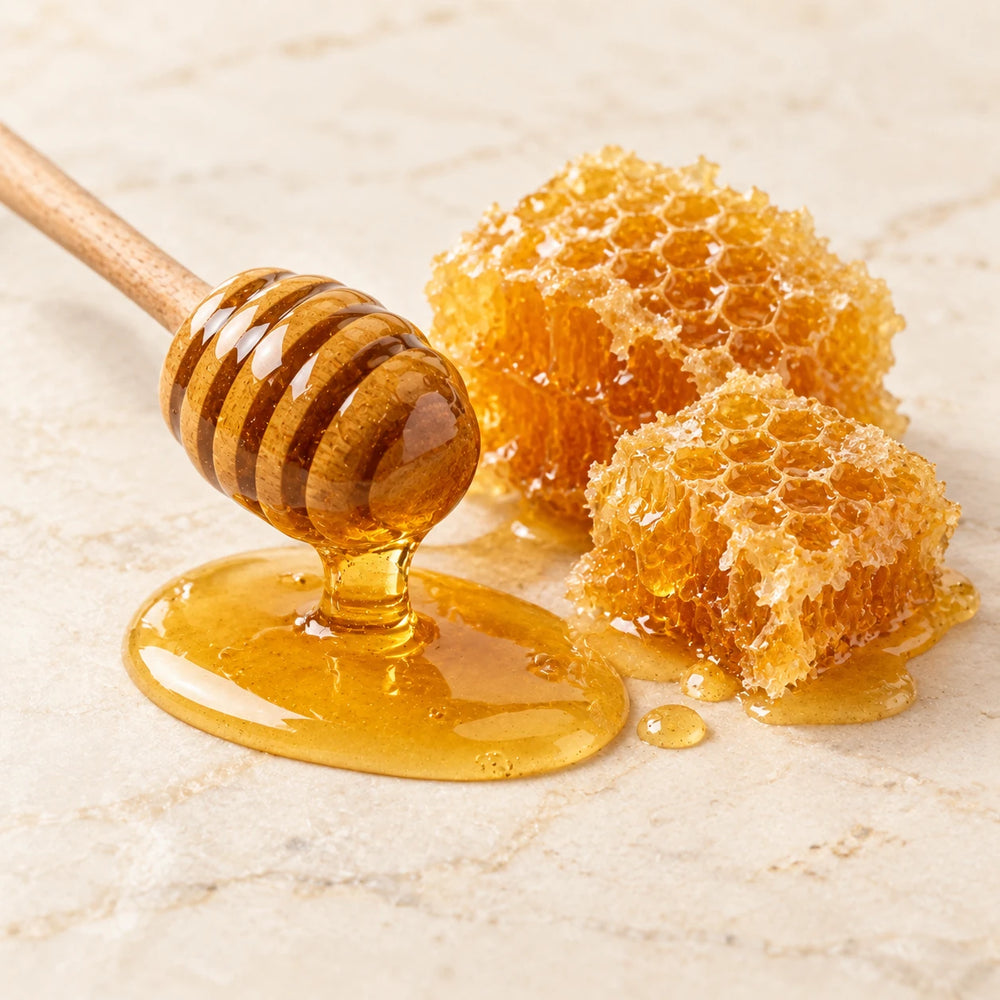
What does honey smell like in perfume?
Honey can feel light and floral, warm and waxy, or darker and almost animalic. It is more complex than plain sugary sweetness. Imagine nectar-like warmth beside a beeswax association, then notice whether the perfume adds a deeper earthy edge or keeps the effect bright.
An accord inspired by honey
A honey note is generally a perfumer’s construction of honey-like facets. It does not mean table honey has been added to the fragrance. The accord can select the floral side, the waxy texture or the darker warmth without reproducing every aspect of a jar of honey.
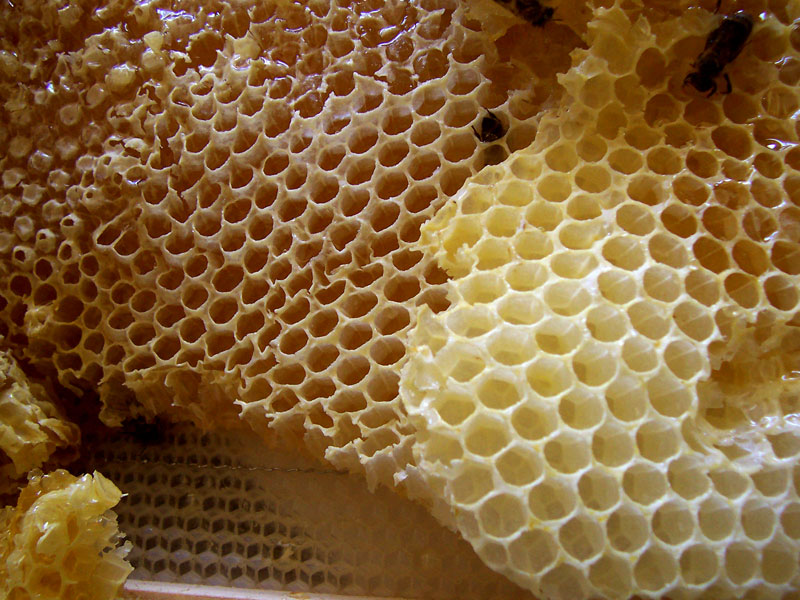
Two materials illustrate different facets
Phenylacetic acid and benzyl phenylacetate are documented honey-related aroma materials. They show why a perfumer may need more than generic sweetness to evoke honey. Neither is a complete honey formula, and the examples do not establish their presence in the products below.
Phenylacetic acid
The supplier describes honey sweetness with powdery, floral and darker animalic nuances. It can contribute character beyond a simple sugar effect.
Benzyl phenylacetate
A floral-honey material with rosy and jasmine-like warmth. It illustrates the connection between honey and floral richness.
Floral, waxy and dark honey styles
These are compositional directions rather than claims about which flowers bees visited. Floral honey emphasises nectar-like warmth; waxy honey emphasises a soft, rounded texture; a darker style foregrounds animalic depth. A perfume can move between them as the surrounding notes develop.
The accord has no single hive or region
Honey as a food varies with floral source and geography. A composed honey note does not inherit those origins automatically. Claims of a particular honey harvest or bee-derived ingredient require product-specific evidence, rather than inference from the note name.
Animalic is not an ingredient declaration
A manufactured aroma material can have a honey-like or animalic smell. Those words describe perception, not whether an ingredient came from bees or another animal. Conversely, the general honey note alone cannot settle the sourcing of every ingredient in the finished fragrance.
Sweet warmth inside flowers and gourmands
Honey-related materials can enrich floral constructions as well as obvious gourmand effects. A floral perfume may gain warmth without smelling like honey spread on toast. The balance between petals, waxiness and darker facets determines how literal the association feels.
Compare honey with caramel and vanilla
Ask whether the sweetness is nectar-like, toasted or creamy. With rose or jasmine, notice whether honey seems part of the flower’s warmth; with tobacco or woods, look for a darker contrast. This gives you a way to distinguish sweet fragrances without assuming all sweetness comes from the same material.
Go deeper
Does a honey note prove a bee-derived ingredient?
No. Honey-like materials can be used to compose the effect. A sourcing claim needs separate product information.
Is waxy another word for sugary?
No. Waxy describes texture and association, while sugary describes sweetness. Distinguishing them makes honey fragrances easier to compare.
Why can honey smell slightly animalic?
Honey-related aroma materials can carry darker facets alongside sweetness. The cited phenylacetic-acid description is one example; the finished balance depends on the accord.
Explore combinations
Ideas for exploring scent; related notes are not necessarily synonyms.
-

Orange blossom
Explore Orange blossom → -

Tuberose
Explore Tuberose → -

Tonka bean
Explore Tonka bean →


Related notes
Ideas for exploring scent; related notes are not necessarily synonyms.
-

Caramel
Explore Caramel → -

Benzoin
Explore Benzoin →


Perfumes containing this note
Selected from MOM's structured fragrance profiles for this exact note. A listed note describes the fragrance and does not disclose its formula.
-
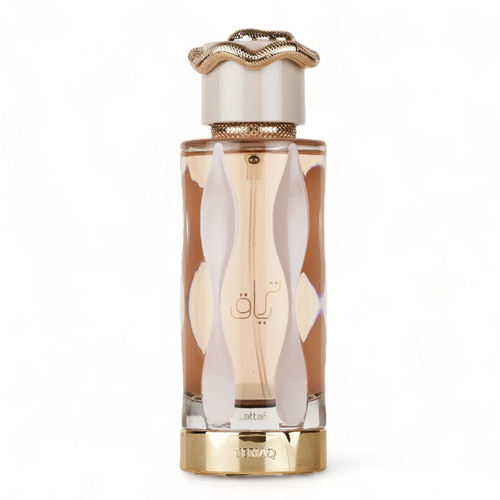
Lattafa Teriaq EDP Unisex
₹2,600.00
Sold out View fragrance -

Sapil Naughty Vanilla Oud EDP
From ₹415.00
Sold out View fragrance -

Sapil Ombre Smoky Quartz EDP
From ₹415.00
Available View fragrance -

Ahmed Al Maghribi Kiswah Attar 10ml
₹2,999.00
Available View fragrance -

Ahmed Al Maghribi - Bin Ameer 90ML EDP
₹5,500.00
Available View fragrance -

Ahmed Al Maghribi Ignite Rose 60ml
₹3,800.00
Sold out View fragrance -

Ahmed Al Maghribi - Marj 60ml
₹4,599.00
Available View fragrance -

Albait Aldimashqi Le Male Elixir 75ml edp
₹2,250.00
Available View fragrance -

Albait Aldimashqi Velvet Honey Santal EDP 75ML
₹2,749.00
Available View fragrance -

Khadlaj Ihthiraam Extrait de Parfum
From ₹800.00
Available Available in a 10 ml decant. View fragrance -

Khadlaj Cream Velvet Extrait de Parfum
From ₹490.00
Available Available in a 10 ml decant. View fragrance -

Ahuja Honey Tobacco Parfum
₹3,500.00
Available View fragrance


Research and transparency
Sources explain the materials and scent effects discussed above. Supplier descriptions refer to their own materials; pairing exercises are MOM editorial suggestions. Product discovery retains the existing verified note relationships.