
MOM PERFUMES / FRAGRANCE NOTE LIBRARY
Caramel
Toasted-sugar warmth, from airy candy to darker toffee.
Gourmand
- Sweet
- Toasty
- Warm
- Confectionery
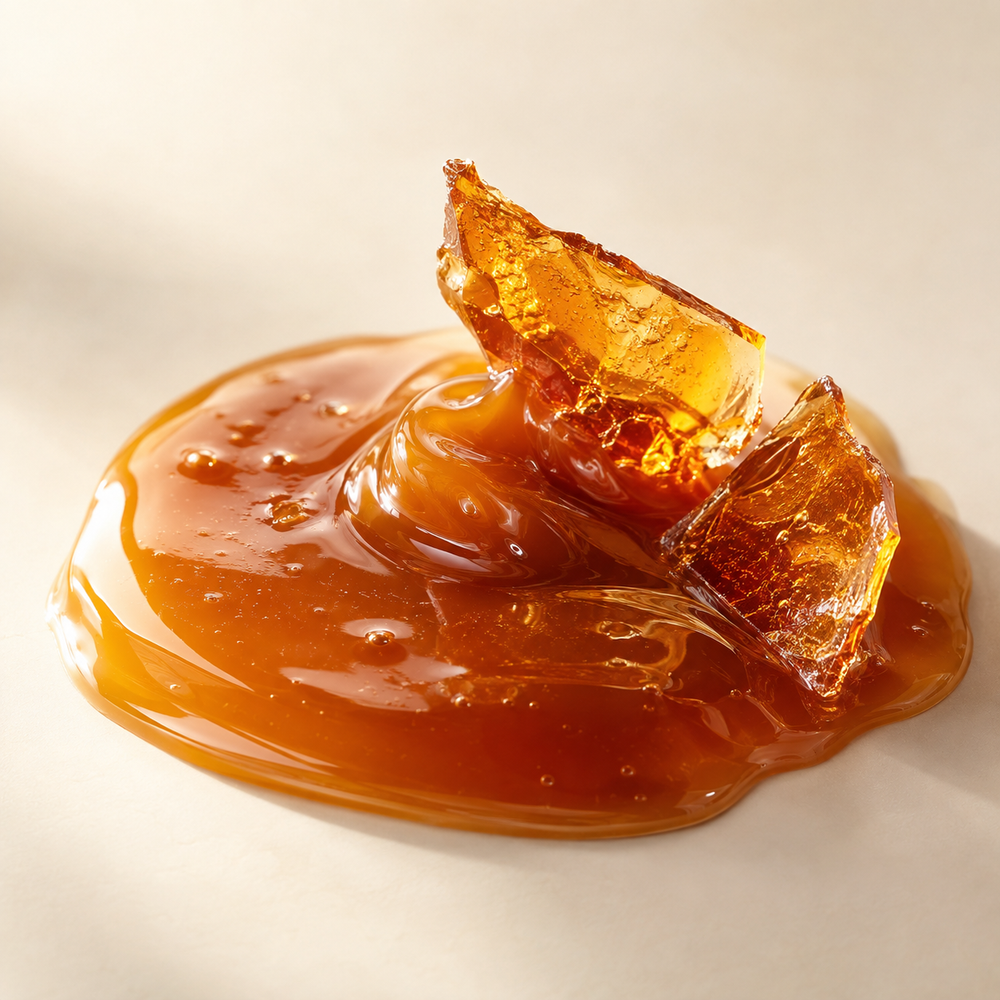
What does caramel smell like in perfume?
Caramel suggests sweet toasted sugar, sometimes creamy like toffee and sometimes darker, with a gently burnt edge. A lighter interpretation may feel closer to airy candy than a dense sauce. Separate sweetness, toastiness and creaminess: a perfume can emphasise one without reproducing the others.
A gourmand accord inspired by food
Caramel is generally a constructed perfume effect. It does not mean cooked sugar has been poured into alcohol. Gourmand is the perfume vocabulary for edible associations; it describes what a composition evokes, not a requirement that the bottle contain the food itself.
Building sweetness and toasted character
Ethyl maltol is one documented perfumery material with intense candy-like sweetness and caramel nuances. It can support a gourmand effect, but it is not a complete caramel formula. A perfumer shapes the impression by balancing sweetness against warmer, creamier or drier facets from other materials.
Building an edible association
Sweet facet
Ethyl maltol can suggest candy and caramel.
Contrasting facets
Warmer, creamier or drier materials shape the sweetness.
Three different caramel pictures
These cards describe creative directions. They are not extraction grades, and the same ingredient can behave differently depending on its surroundings.
Airy candy
Focus on light sugary sweetness. The impression may feel transparent rather than thick or buttery.
Soft toffee
Look for sweetness wrapped in a rounded creamy texture. The creaminess belongs to the accord rather than proving dairy ingredients.
Dark caramel
Notice a toasted or slightly burnt association alongside sweetness. Darkness in the description does not mean the perfume was heated like sugar in a pan.
A composed effect has no crop region
Caramel has no botanical species, harvest season or essential-oil origin. The individual aroma materials have their own production histories. The culinary process that inspires the smell should not be substituted for an account of how the perfume materials are made.
Sweetness is an odour, not an ingredient label
The cited ethyl maltol is a manufactured aroma material supplied as a crystalline powder. Its confectionery smell illustrates why a recognisable food association need not come from the food itself. A caramel note alone cannot establish whether this material is in a particular fragrance.
A sweet accent or the centre of a gourmand
Ethyl maltol can reinforce fruity and floral effects as well as obvious gourmand sweetness. In a caramel-themed fragrance, the surrounding notes decide whether the effect feels like candy, a warm dessert or a sweet veil over woods. One note word cannot describe that whole balance.
Try comparing sweetness with texture
With vanilla, ask whether you perceive toastiness beyond the shared sweetness. With woods, look for a drier counterweight. With fruit, ask whether the impression moves toward confectionery. These prompts help you compare the verified examples without assigning ingredients from a note list.
Go deeper
Is caramel another name for ethyl maltol?
No. The molecule is one possible contributor; caramel is the broader impression. The example explains a tool, not a one-ingredient recipe.
Does a creamy caramel perfume contain milk?
The smell does not establish that. Creaminess is an aromatic and textural association that can be composed.
Can caramel feel dry as well as sweet?
A darker toasted or woody context may make dryness perceptible beside sweetness. Describe both dimensions instead of assuming they are opposites.
Explore combinations
Ideas for exploring scent; related notes are not necessarily synonyms.
-

Benzoin
Explore Benzoin → -

Tonka bean
Explore Tonka bean → -

Pear
Explore Pear →


Related notes
Ideas for exploring scent; related notes are not necessarily synonyms.
-

Praline
Explore Praline → -

Honey
Explore Honey →


Perfumes containing this note
Selected from MOM's structured fragrance profiles for this exact note. A listed note describes the fragrance and does not disclose its formula.
-
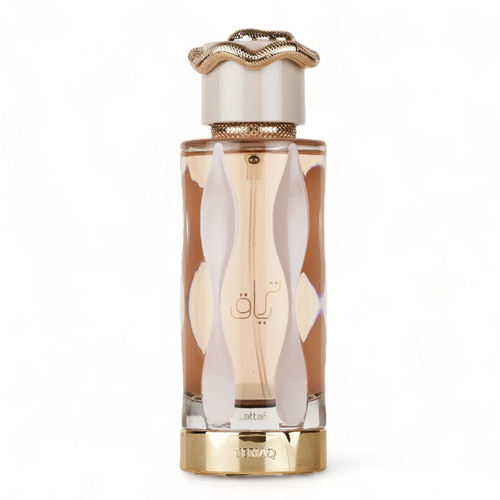
Lattafa Teriaq EDP Unisex
₹2,600.00
Sold out View fragrance -

Sapil Naughty Vanilla Oud EDP
From ₹415.00
Sold out View fragrance -

Ahmed Al Maghribi Summer Oud Eau De Parfum For Men 60ml
₹3,499.00
Available View fragrance -

Ahmed Al Maghribi- AHL 60ML EDP
₹4,500.00
Available View fragrance -

Ahmed Al Maghribi Brulee 100ml
₹3,450.00
Available View fragrance -

Ahmed Al Maghribi Kaffe Latte 100ml
₹2,600.00
Available View fragrance -

Ahmed Al Maghribi La Rosee 100ml
₹4,300.00
Sold out View fragrance -

Mykonos California Blue Extrait de Parfum
From ₹640.00
Available Available in a 10 ml decant. View fragrance -

Ahmed Al Maghribi Niswah 75ml
₹4,450.00
Available View fragrance -

Ahmed Al Maghribi Oud Afghano 50ml
₹3,400.00
Available View fragrance -

Ahmed Al Maghribi Peachy Peach 100ml
₹2,800.00
Available View fragrance -

Albait Aldimashqi Oud Satin Mood 75ml edp
₹2,400.00
Sold out View fragrance -

Khadlaj Caffe Latte Extrait de Parfum
From ₹490.00
Available Available in a 10 ml decant. View fragrance -

Khadlaj Cream Velvet Extrait de Parfum
From ₹490.00
Available Available in a 10 ml decant. View fragrance -

Khadlaj Desert Rose Extrait de Parfum
From ₹490.00
Available Available in a 10 ml decant. View fragrance -

Khadlaj Mansion EDP
From ₹500.00
Available Available in a 10 ml decant. View fragrance -

Khadlaj Nuha Vanilla Pearl EDP
From ₹488.00
Sold out View fragrance -

Khadlaj Peach Velvet Extrait de Parfum
From ₹490.00
Available Available in a 10 ml decant. View fragrance -

Mykonos Cafe Drops Extrait de Parfum
From ₹740.00
Available Available in a 10 ml decant. View fragrance -

Mykonos Pink Drops Extrait de Parfum
From ₹740.00
Available Available in a 10 ml decant. View fragrance


Research and transparency
Sources explain the materials and scent effects discussed above. Supplier descriptions refer to their own materials; pairing exercises are MOM editorial suggestions. Product discovery retains the existing verified note relationships.